
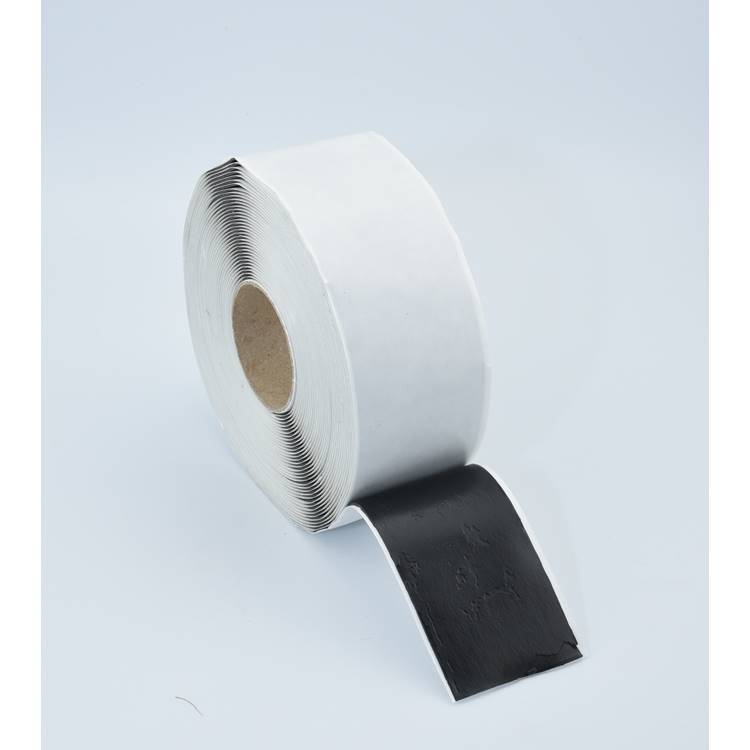
What Is Butyl Tape and Why Is It Essential for Sealing?
Butyl tape is an indispensable sealing material that has gained widespread recognition for its durability, flexibility, and excellent adhesive properties. It is commonly used in various industries, including construction, automotive, and marine applications. This article explores what butyl tape is, its composition, and why it is a go-to solution for sealing needs.
What Is Butyl Tape?
Butyl tape is a type of pressure-sensitive adhesive tape made from butyl rubber, a synthetic elastomer known for its exceptional waterproofing and air-sealing properties. Unlike traditional adhesives, butyl tape remains flexible and does not harden over time, making it ideal for long-term applications.
Composition of Butyl Tape
The primary component of butyl tape is butyl rubber, which consists of isobutylene and small amounts of isoprene. This unique composition gives butyl tape its remarkable ability to resist moisture, chemicals, and extreme temperatures. It also contains reinforcing agents that enhance its structural integrity, ensuring it remains effective for years.
Why Is Butyl Tape Essential for Sealing?
- Superior Adhesion – Butyl tape bonds well to a wide range of materials, including metal, plastic, glass, and wood.
- Waterproof Properties – It creates a watertight seal, making it ideal for outdoor and marine applications.
- Weather Resistance – Unlike some traditional sealants, butyl tape can withstand extreme temperatures and UV exposure.
- Flexibility and Elasticity – It remains pliable over time, accommodating structural movements without cracking or losing adhesion.
- Easy to Use – Butyl tape requires no special tools or curing time, making it a hassle-free solution for sealing.
Applications of Butyl Tape
From construction and automotive industries to home repairs, butyl tape proves to be an indispensable tool. It is widely used for sealing roofs, windows, and HVAC systems, among other applications. Its reliability and effectiveness make it a must-have for professionals and DIY enthusiasts alike.

Add comment