
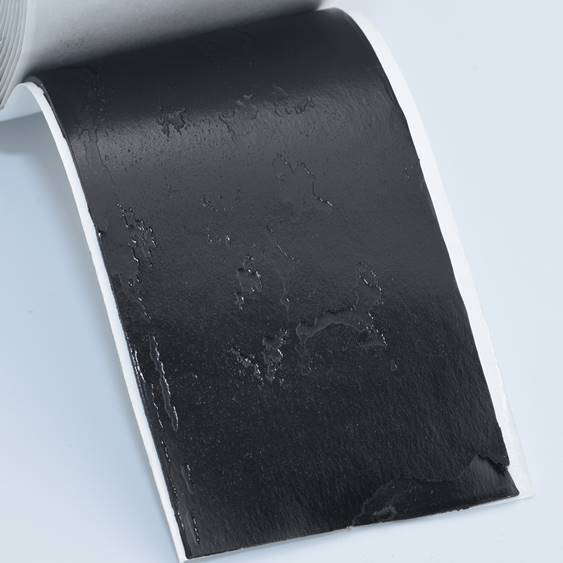
Why Butyl Tape Is Better Than Traditional Sealants
When it comes to sealing solutions, there are various options available, including silicone sealants, caulk, and polyurethane adhesives. However, butyl tape stands out as a superior alternative due to its exceptional durability, ease of use, and long-term sealing capabilities. In this article, we compare butyl tape to traditional sealants and explain why it is the preferred choice for various applications.
1. Ease of Application
Traditional sealants like silicone and caulk require careful application, often involving a caulking gun and smoothing tools to achieve a clean finish. They also require drying or curing time before they are fully effective. Butyl tape, on the other hand, is incredibly easy to apply. It comes in a pre-formed roll, requires no special tools, and can be pressed into place without any mess or waste. This makes it a convenient solution for both professionals and DIY enthusiasts.
2. Long-Lasting Flexibility
One of the biggest drawbacks of traditional sealants is that they can harden, shrink, or become brittle over time. This often results in cracks, leading to leaks and requiring reapplication. Butyl tape remains permanently flexible, adapting to structural movements without losing its adhesive properties. This makes it ideal for applications that experience expansion, contraction, or vibrations, such as roofing, automotive, and marine repairs.
3. Superior Adhesion to Various Surfaces
Silicone, caulk, and other sealants often struggle to bond effectively with certain surfaces, especially non-porous materials like metal, glass, and plastics. Butyl tape, however, adheres strongly to a wide range of materials, including:
- Metal
- Wood
- Glass
- Plastic
- Concrete
- Brick
- Rubber This versatility makes butyl tape an all-purpose sealing solution that outperforms many traditional alternatives.
4. Waterproofing and Weather Resistance
One of the key reasons for using a sealant is to prevent water ingress. While silicone and caulk are effective in many cases, they can deteriorate over time due to UV exposure, temperature fluctuations, and moisture absorption. Butyl tape provides a 100% waterproof seal that does not degrade under extreme weather conditions. It is UV-resistant, making it ideal for outdoor applications, and it remains effective even in areas with high humidity or temperature fluctuations.
5. No Mess or Waste
Applying traditional sealants can be a messy process, often requiring careful handling and cleanup. Excess silicone or caulk can be difficult to remove, and mistakes can require reapplication. Butyl tape eliminates these issues by providing a clean, controlled application. Since it comes in a solid form, there is no risk of dripping, spilling, or over-application.
6. No Curing Time
One of the most significant advantages of butyl tape over traditional sealants is that it does not require curing time. Silicone and caulk typically need hours or even days to fully set and dry, which can delay projects. Butyl tape bonds instantly, allowing for immediate use. This makes it an excellent choice for quick repairs and emergency sealing needs.
7. Versatility Across Industries
While silicone and caulk are commonly used in construction, their applications can be limited. Butyl tape, on the other hand, is used across multiple industries, including:
- Construction – Sealing windows, doors, roofing, and flashing.
- Automotive – Sealing windshields, sunroofs, and door panels.
- Marine – Waterproofing boat seams, hatches, and portholes.
- Plumbing – Preventing leaks in pipes, fittings, and joints.
- HVAC – Sealing ductwork to improve energy efficiency.
- Electronics – Insulating and protecting electrical enclosures.
8. Durability and Longevity
Traditional sealants often degrade over time, requiring frequent maintenance and reapplication. Silicone and caulk can crack, peel, or lose their adhesion when exposed to prolonged stress. Butyl tape, however, is designed for long-term durability. It maintains its seal for years, reducing the need for repeated repairs and saving both time and money.
9. Cost-Effectiveness
Although the initial cost of butyl tape may be slightly higher than some traditional sealants, its long lifespan and ease of application result in significant long-term savings. Since it does not require repeated applications or maintenance, it reduces labour costs and material expenses over time.
10. Resistance to Harsh Conditions
Many traditional sealants struggle to perform in extreme temperatures, especially in very hot or cold environments. Butyl tape remains effective in a wide temperature range, making it suitable for use in all climates. It is also resistant to chemicals, oils, and solvents, further enhancing its reliability in demanding conditions.
Conclusion
When comparing butyl tape to traditional sealants such as silicone and caulk, it is clear that butyl tape offers superior performance in terms of durability, flexibility, adhesion, and ease of use. Its ability to create a waterproof, long-lasting seal without mess or curing time makes it a preferred choice for professionals and DIYers alike. Whether used in construction, automotive, marine, or home repairs, butyl tape is a reliable and cost-effective solution that outperforms traditional sealants in almost every aspect.


Add comment