
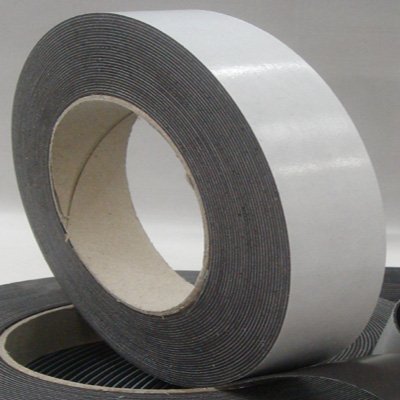
How to Choose the Right Adhesive Tape for Your Business Needs
When it comes to running a successful business, choosing the right materials can significantly impact productivity, efficiency, and even the final product’s quality. Adhesive tape is one such crucial material, found in everything from packaging and shipping departments to creative and industrial applications. With a vast array of adhesive tapes available in the market, selecting the best option for your business can feel overwhelming. This comprehensive guide will help you navigate the world of adhesive tapes and select the most suitable product based on your unique requirements.
1. Understanding Adhesive Tape Types
To make an informed choice, it’s important to understand the different types of adhesive tapes available. Each has specific characteristics, making it suited to particular tasks and conditions.
A. Packaging Tape
Packaging tape is a common choice for securing boxes and parcels. Generally transparent or brown, it’s ideal for everyday packaging needs. Look for options that offer high tack and durability, especially if your products are stored or transported over long distances.
B. Masking Tape
Masking tape is perfect for painting and light bundling tasks. It’s designed to peel off easily without leaving residue, making it a favourite in the painting and decorating industries. However, it’s not suited for high-stress applications as it’s easily breakable.
C. Double-Sided Tape
This tape is coated with adhesive on both sides, making it a go-to for attaching materials without visible fasteners. Double-sided tape is excellent for creative and office applications, but you’ll need a variant with strong adhesive properties for industrial uses.
D. Duct Tape
Known for its strength and versatility, duct tape is a popular choice for general repairs, sealing, and bundling applications. It is waterproof and weather-resistant, making it ideal for both indoor and outdoor applications.
E. Electrical Tape
Electrical tape is used for insulating electrical wires and other materials that conduct electricity. It is highly flexible and comes in various colours, enabling businesses to colour-code wires and improve organisational efficiency.
F. Specialised Industrial Tapes
For more complex applications, you’ll find specialised tapes such as foam tape, high-temperature tape, and anti-slip tape. These tapes are designed for unique requirements, like vibration dampening, temperature resistance, and safety compliance.
2. Identifying Your Business Needs
Once you’re familiar with the various types of adhesive tapes, the next step is to identify your specific needs. Consider the following factors:
A. Application Type
Are you using the tape for packaging, decorating, electrical work, or a specialised industrial process? Understanding the application is essential, as it will narrow down your options to tapes that fit your purpose.
B. Environmental Conditions
The environment in which the tape will be used significantly affects its performance. For instance:
- Temperature: Some tapes can withstand high temperatures, while others are prone to melting or losing adhesion in extreme heat.
- Moisture: If the tape will be exposed to moisture or used outdoors, choose a waterproof or weather-resistant tape.
- UV Resistance: For outdoor applications, UV-resistant tape will maintain its hold and colour better when exposed to sunlight.
C. Surface Material
The surface material you’re taping influences the type of adhesive tape you need. For example:
- Smooth surfaces: Most adhesive tapes work well on smooth surfaces, but a high-tack option may be required for better hold.
- Rough or uneven surfaces: For rough surfaces, consider duct tape or specialised industrial tapes designed to grip uneven materials.
- Porous materials: Tapes with high initial tack and stronger adhesives are ideal for porous surfaces.
3. Choosing Based on Adhesive Strength and Duration
Different tasks require different adhesive strengths. Consider whether you need:
A. Permanent Adhesion
For packaging that doesn’t require removal or items that must stay fixed long-term, permanent adhesion is essential. Duct tape and high-bond industrial tapes are ideal for such applications.
B. Removable Adhesion
For temporary applications, masking tape or low-tack double-sided tape works best. These tapes hold materials in place but can be removed without leaving residue or causing damage.
C. Pressure Sensitivity
Pressure-sensitive adhesive (PSA) tapes are activated by pressure alone. They’re popular in the packaging industry as they’re easy to use, cost-effective, and suitable for high-speed production lines.
D. Duration
If the tape is for a short-term purpose (such as temporary decorations or signage), a low-tack option will suffice. However, for applications that need to last (like outdoor signage or heavy-duty industrial use), opt for high-strength, durable tapes.
4. Considering Tape Width, Length, and Thickness
Choosing the right size of tape is as important as selecting the correct type. Consider the following:
A. Width
Wider tapes offer better coverage and holding power, making them ideal for larger, heavier items. For smaller or more delicate items, narrow tapes work just fine.
B. Length
Determine the amount of tape required based on your business’s daily usage. Bulk rolls are usually more cost-effective for high-volume needs, while smaller rolls may be sufficient for occasional use.
C. Thickness
Thicker tapes are typically stronger, providing a more secure bond. However, they may be harder to cut and apply. Thinner tapes are easier to handle and are sufficient for lightweight applications.
5. Top Considerations for Common Applications
Let’s look at some common applications and the best types of tape to consider for each:
A. Packaging and Shipping
For heavy-duty packaging, opt for high-bond packaging tape, which offers strong adhesion and durability during transit. For lightweight items, standard packaging tape should suffice.
B. Creative and Office Uses
Double-sided tape is often ideal for crafts, presentations, and mounting lightweight objects. Foam tape can add dimension and stability for more elaborate projects.
C. Industrial Applications
In industrial settings, strength, and durability are paramount. For high temperatures, choose heat-resistant tape. For vibration-prone equipment, foam tape with dampening properties works well.
D. Construction and Repairs
Duct tape is a versatile, go-to option for general repairs. However, for structural or safety purposes, such as attaching grip strips to prevent slips, look for purpose-built tapes like anti-slip tape.
6. Assessing Cost Efficiency and Quantity
Cost is a key consideration, especially for businesses with large-volume needs. Here’s how to approach it:
A. Bulk Buying
Buying in bulk can reduce the cost per roll. However, ensure that you’re purchasing the correct type and quality as a long-term solution.
B. Evaluating Cost-Effectiveness
Choose a tape that not only fits your budget but also meets your durability and strength requirements. A cheaper tape that doesn’t perform well can lead to higher costs in the long run due to wasted product and frequent reapplication.
C. Supplier Reputation
Buy from reputable suppliers who guarantee the quality and reliability of their products. Established suppliers offer consistent product quality and may have options for bulk discounts or contracts for ongoing supply.
7. Tips for Proper Tape Application and Storage
To make the most of your adhesive tape, follow these application and storage tips:
A. Clean the Surface First
Ensure surfaces are free from dust, moisture, and grease before applying tape. Clean surfaces ensure a better adhesive bond and enhance durability.
B. Store Properly
Store adhesive tapes in a cool, dry place, away from direct sunlight and high temperatures. Proper storage prevents degradation of adhesive quality.
C. Use the Right Application Tools
For larger applications, consider using a tape dispenser to apply tape smoothly and efficiently. Industrial applications may benefit from automated tape dispensers to streamline the process.
Final Thoughts
Choosing the right adhesive tape for your business doesn’t have to be complicated. By understanding the different types of tapes available and assessing your unique requirements, you can select an option that improves efficiency, reduces costs, and enhances the quality of your operations.
Whether you’re sealing boxes, crafting presentations, or handling industrial processes, there’s a tape suited for every business need. With this guide, you’re now equipped to make an informed choice and select a tape that meets your specific needs and supports your business’s success.

Add comment