A Comprehensive Guide to Adhesive Tapes
In the world of DIY, crafting, and industrial applications, adhesive tapes play a crucial role. These versatile tools come in a myriad of types, each designed for specific purposes. Whether you’re wrapping gifts, making home repairs, or working on a large-scale industrial project, understanding the different types of adhesive tapes and their applications can make your task significantly easier and more efficient.
This guide aims to provide a thorough overview of adhesive tapes, their types, uses, and some practical tips for application. We’ll explore everything from common household tapes to specialised industrial varieties, helping you choose the right tape for every job.
Understanding Adhesive Tapes
What Are Adhesive Tapes?
Adhesive tapes, at their most basic, consist of a backing material coated with an adhesive substance. The backing can be made from various materials such as plastic film, cloth, metal foil, or paper. The adhesive, which gives the tape its sticking power, can be pressure-sensitive, water-activated, or heat-activated.
A Brief History
The concept of adhesive tapes dates back to the 19th century. In 1845, Dr. Horace Day, a surgeon, invented a type of surgical tape made by applying a rubber adhesive to strips of fabric. However, the modern adhesive tape as we know it today was invented by Richard Drew in 1925. Drew, working for 3M Company, developed masking tape, which was soon followed by the invention of cellophane tape (Sellotape) in 1930.
How Adhesive Tapes Work
The science behind adhesive tapes involves two main principles: adhesion and cohesion. Adhesion refers to the tape’s ability to stick to a surface, while cohesion is the internal strength of the adhesive itself. The balance between these two forces determines how well a tape will perform for a given application.
Types of Adhesive Tapes
1. Cellophane Tape (Sellotape)
Cellophane tape, often referred to by the brand name Sellotape in the UK, is perhaps the most common household tape. It’s a clear, pressure-sensitive tape made from cellulose and coated with adhesive.
Uses:
- Gift wrapping
- Sealing envelopes
- Light paper-mending tasks
Pro Tip: When wrapping gifts, use small pieces of tape rather than long strips for a neater appearance.
2. Masking Tape
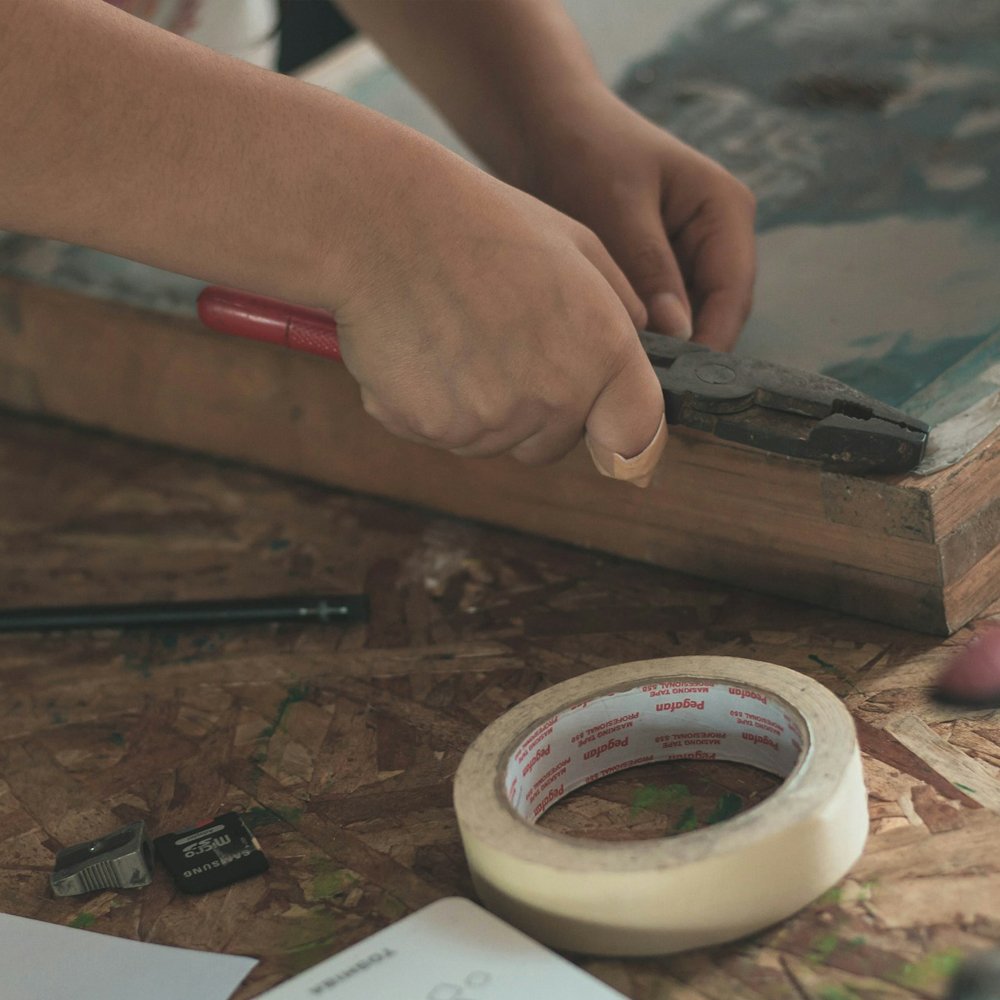
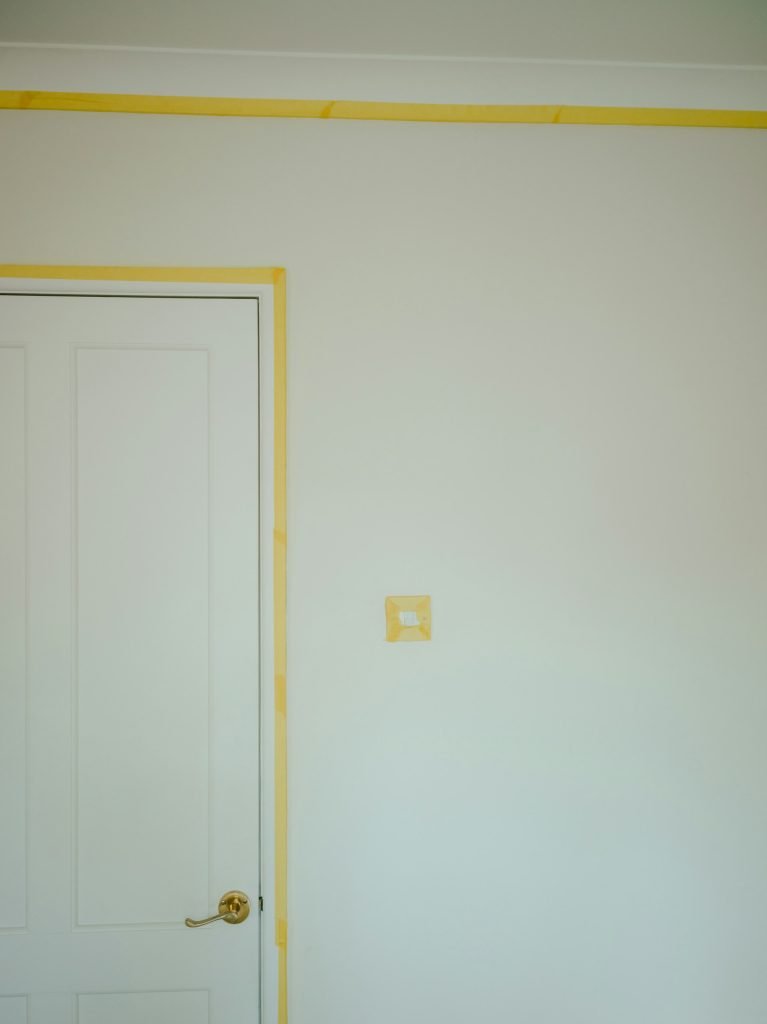
Masking tape is a type of pressure-sensitive tape made of thin paper that’s easy to tear and remove. It’s typically beige or off-white in colour.
Uses:
- Painting projects (to mask off areas)
- Labelling
- Temporary fixing of papers or lightweight materials
Pro Tip: When using masking tape for painting, remove it while the paint is still slightly wet to avoid peeling off dried paint.
3. Duct Tape
Duct tape is a cloth-backed, pressure-sensitive tape known for its strength and versatility. It’s typically silver or black but comes in various colours.
Uses:
- Emergency repairs
- Sealing ducts (although not recommended for modern heating and cooling systems)
- Waterproofing
Pro Tip: For maximum adhesion, ensure the surface is clean and dry before applying duct tape.
4. Electrical Tape
Electrical tape is a type of pressure-sensitive tape used to insulate electrical wires and other materials that conduct electricity. It’s usually made of vinyl and is stretchy for a tight wrap.
Uses:
- Insulating electrical wires
- Colour-coding wires
- Bundling cables
Pro Tip: When wrapping wires, stretch the tape slightly as you apply it for a tighter seal.
5. Double-Sided Tape
As the name suggests, double-sided tape has adhesive on both sides. It comes in various strengths and thicknesses.
Uses:
- Mounting lightweight objects
- Crafting and scrapbooking
- Carpet installation
Pro Tip: For heavier items, use foam-backed double-sided tape for extra cushioning and adhesion.
6. Gaffer Tape
Gaffer tape is a strong, cotton cloth pressure-sensitive tape. Unlike duct tape, it doesn’t leave a residue when removed.
Uses:
- Stage and film production (securing cables)
- Photography (marking positions)
- Temporary repairs in situations where residue-free removal is important
Pro Tip: To remove gaffer tape without damaging surfaces, pull it off at a 45-degree angle.
7. Foam Tape
Foam tape is a type of double-sided tape with a foam core. It comes in various thicknesses and densities.
Uses:
- Mounting mirrors and pictures
- Weatherstripping
- Cushioning and dampening vibrations
Pro Tip: For outdoor use, choose a closed-cell foam tape that won’t absorb moisture.
8. Washi Tape
Washi tape is a decorative adhesive tape made from traditional Japanese paper. It comes in a wide variety of colours and patterns.
Uses:
- Scrapbooking and craft projects
- Decorating planners and journals
- Temporary wall decoration
Pro Tip: Washi tape is removable and repositionable, making it perfect for temporary décor in rented spaces.
9. Filament Tape
Filament tape, also known as strapping tape, is a strong tape reinforced with fibreglass or other filaments for added strength.
Uses:
- Heavy-duty packaging
- Bundling items
- Reinforcing boxes and cartons
Pro Tip: For maximum strength, apply filament tape in both directions around a package.
10. Heat-Resistant Tape
Heat-resistant tapes are designed to withstand high temperatures. They can be made from materials like silicone, aluminium, or specialised plastics.
Uses:
- Automotive applications
- Electronics manufacturing
- High-temperature masking in industrial painting
Pro Tip: Always check the temperature rating of the tape to ensure it’s suitable for your specific application.
Specialised Industrial Tapes
While the tapes mentioned above cover most household and general uses, there are numerous specialised tapes designed for specific industrial applications. Let’s explore a few:
11. VHB (Very High Bond) Tape
VHB tape is a high-strength, double-sided acrylic foam tape designed for permanent bonding.
Uses:
- Replacing mechanical fasteners in construction
- Bonding panels in transportation manufacturing
- Mounting signs and displays
Pro Tip: Proper surface preparation is crucial for VHB tape. Always clean and prime surfaces as recommended by the manufacturer.
12. Conductive Tape
Conductive tape is designed to conduct electricity. It can be made with copper, aluminium, or conductive acrylic adhesive.
Uses:
- EMI/RFI shielding
- Grounding in electronics
- Creating circuits in electronics prototyping
Pro Tip: Ensure the conductive surface of the tape makes direct contact with the elements you’re connecting for proper conductivity.
13. Reflective Tape
Reflective tape contains tiny glass beads or prismatic patterns that reflect light back to its source.
Uses:
- Improving visibility on vehicles
- Safety markings on clothing
- Marking hazards in low-light areas
Pro Tip: For maximum reflectivity, apply reflective tape to clean, smooth surfaces.
Choosing the Right Tape
Selecting the appropriate tape for your project is crucial for achieving the best results. Here are some factors to consider:
- Surface Type: Different tapes adhere better to different surfaces. Consider whether you’re applying the tape to wood, metal, plastic, fabric, or another material.
- Environmental Conditions: Will the tape be exposed to heat, cold, moisture, or UV light? Choose a tape that can withstand these conditions.
- Required Strength: Consider the weight or stress the tape needs to support. For heavy-duty applications, opt for stronger tapes like filament or VHB tape.
- Durability: Determine whether you need a temporary or permanent solution. Some tapes are designed for easy removal, while others provide long-lasting adhesion.
- Visibility: Decide whether you want the tape to be visible or hidden. Clear tapes are great for invisible fixes, while coloured or decorative tapes can be part of the design.
Application Tips and Tricks
To get the most out of your adhesive tapes, follow these general tips:
- Clean the Surface: Always apply tape to clean, dry surfaces for the best adhesion.
- Temperature Matters: Most tapes adhere best at room temperature. If working in cold conditions, try warming the tape slightly before application.
- Avoid Stretching: Unless specifically instructed (as with electrical tape), avoid stretching the tape during application as this can weaken the adhesive.
- Apply Pressure: Use firm pressure when applying tape to ensure good contact between the adhesive and the surface.
- Cut, Don’t Tear: For a clean edge, use scissors or a sharp knife to cut tape rather than tearing it.
- Remove with Care: When removing tape, pull it back on itself at a 45-degree angle for the cleanest removal.
- Store Properly: Keep tapes in a cool, dry place away from direct sunlight to preserve their adhesive properties.
Conclusion
Adhesive tapes have come a long way since their invention in the 19th century. Today, they play a crucial role in countless applications, from simple household fixes to complex industrial processes. Understanding the different types of tapes available and their specific uses can help you choose the right tool for every job.
Remember, while tapes can provide quick and easy solutions for many tasks, they’re not always the best option for permanent or load-bearing applications. For critical or safety-related tasks, always consult with a professional to ensure you’re using the most appropriate fastening method.
Whether you’re wrapping presents, making home repairs, or working on a complex industrial project, there’s likely a perfect tape for your needs. By considering factors like surface type, environmental conditions, and required strength, you can select the ideal tape for every situation.
As adhesive technology continues to advance, we can expect to see even more innovative and specialised tapes in the future. Who knows? The next breakthrough in adhesive technology might just revolutionise the way we approach construction, manufacturing, or even medicine.
So the next time you reach for a roll of tape, take a moment to appreciate this humble yet ingenious invention. It’s more than just a sticky strip – it’s a testament to human innovation and problem-solving. Happy taping!