
Need help? Call us:
01162 865141
- Protection/Repair Tapes & Putties
- Masking Products
- Butyl Tape
- Spray / Contact Adhesive
- Spray Adhesive
- Aerosol Spray Adhesive
- Flooring Adhesive Spray Glue
- Contact Spray Adhesive
- Carpet Spray Adhesive
- Laminate Adhesive Spray Glue | Spray Adhesive Glue
- Wood Spray Adhesive
- Adhesive Spray Glue Guns
- Sterling D3 PVA Wood Glue Adhesive
- Liquid Cement Glue | Tensol Glue
- Aerosol Spray Adhesive
- Ethyl Cyanoacrylate (Industrial Strength Superglue)
- Construction Spray Glue
- Foam Spray Adhesive
- Roofing Spray Adhesives
- Epoxy Putty Sticks
- Liquid Cement Glue
- Car Tapes, Automotive Tape, Glues & Adhesives
- Upholstery Spray Glue | Spray Adhesive
- Self-Adhesive Feet
- Hook & Loop Magnetic Tapes
- Anti Slip Tapes
- Double Sided Tapes
- Double Sided Adhesive Tape
- High Grab Double Sided Foam Tape
- Adhesive Double Sided Foam Tape
- Double Sided Tissue Tape
- Double Sided Carpet Tape & Flooring Tape
- Double Sided Rug Tape | Carpet Tape
- Removable Double Sided Tape
- Double Sided Tissue Tape with Fingerlift Edge
- Transparent Tape
- PVC Tape
- Clear Gel Foam Tape With Red Liner | Structural Acrylic
- Acrylic Tape
- Thermally Conductive Structural Acrylic Gel Foam Tape
- White Foam Gel Tape | Structural Acrylic
- Black Structural Acrylic Gel Foam Tapes With Red Liner
- Double Sided PVC Tape
- Car Tapes, Automotive Tape, Glues & Adhesives
- Grey Structural Acrylic Gel Foam Tapes With Red Liner
- White Structural Acrylic Gel Tapes With Red Liner
- Super Tape – Super Strong Double Sided Adhesive Tape
- Security Glazing Tapes For Sealed Units
- Joint Tape
- Adhesive Double Sided Foam Tape
- Super Tape – Super Strong Double Sided Adhesive Tape
- Polyester Tape
- Double Sided Sticky Foam Pads
- Carpet Tape & Flooring Tape
- Black High Grade Double Sided Foam Tape
- White High Grade Double Sided Foam Tape
- Single Sided Tapes
- Car Tapes, Automotive Tape
- 30 Micron Cold Weather Aluminium Foil Tape
- Reinforced Aluminium Foil Tape
- Expanding Foam Tape
- Single Sided EPDM Weatherseal Foam Tape
- Harnessing Tapes
- Heavy Duty Gaffer Tape
- Matte Black Gaffer Tape
- Strong Reinforced Glass Filament Cross Weave Strapping Tapes
- Low Noise Polypropylene Carton Sealing Tapes
- Vinyl Carton Sealing Tapes
- PVC Tape
- Joint Tape
- PVC Floor Marking Tape
- Polythene Polytunnel Repair Tape
- Construction Seaming Tapes
- Metallic Silver Sealing Tape
- Printed Warning Tapes
- PVC Electrical Insulation Tape
- General Purpose Aluminium Foil Tapes
- Glow in the Dark Tape
- Transparent Tape Single Sided
- Single Sided Foam Tape
- Packing Tape | Packaging Tapes
- Unbleached White Cloth Tape
- Coloured Waterproof Cloth / Duct Tape
- T Rex Duct Tape
- Carton / Cardboard Box Tape & Cardboard Sealing Tape
- Paper & Board Tapes
Filter by Size
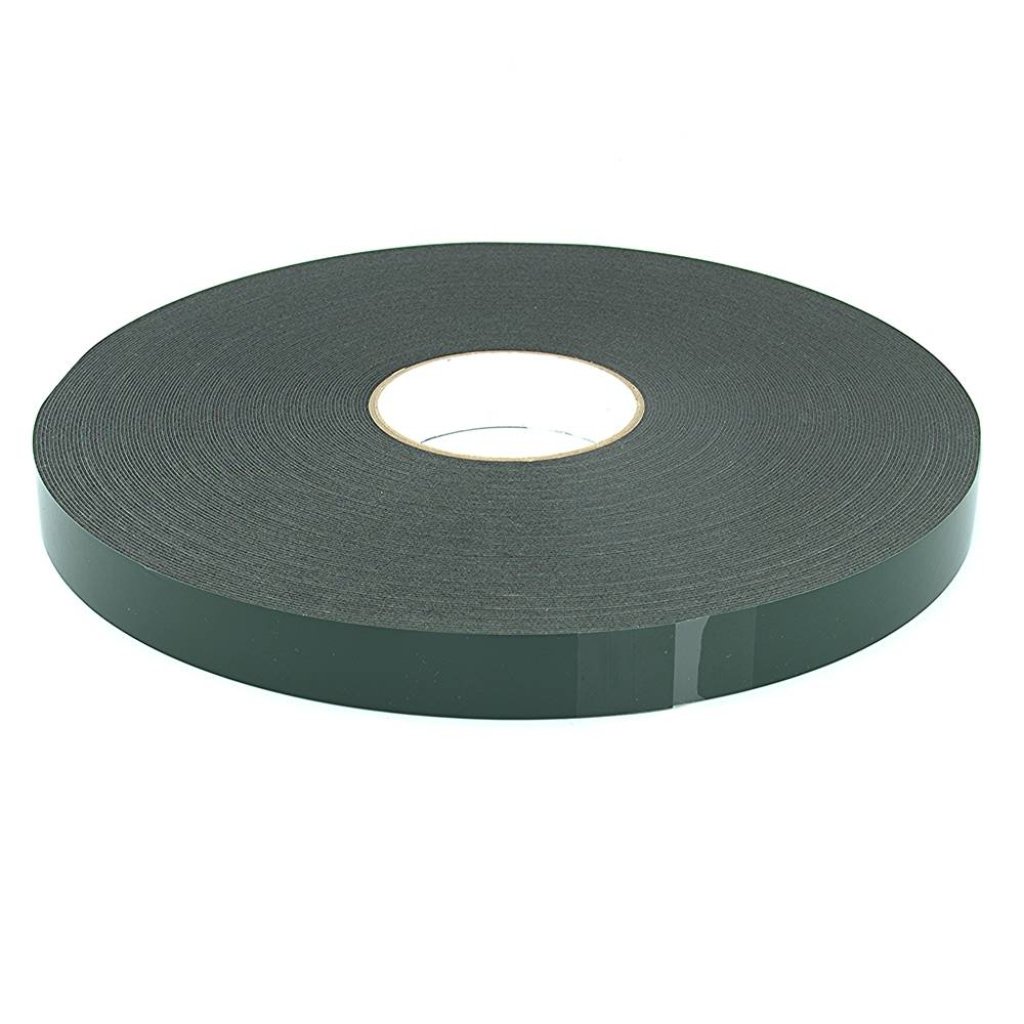
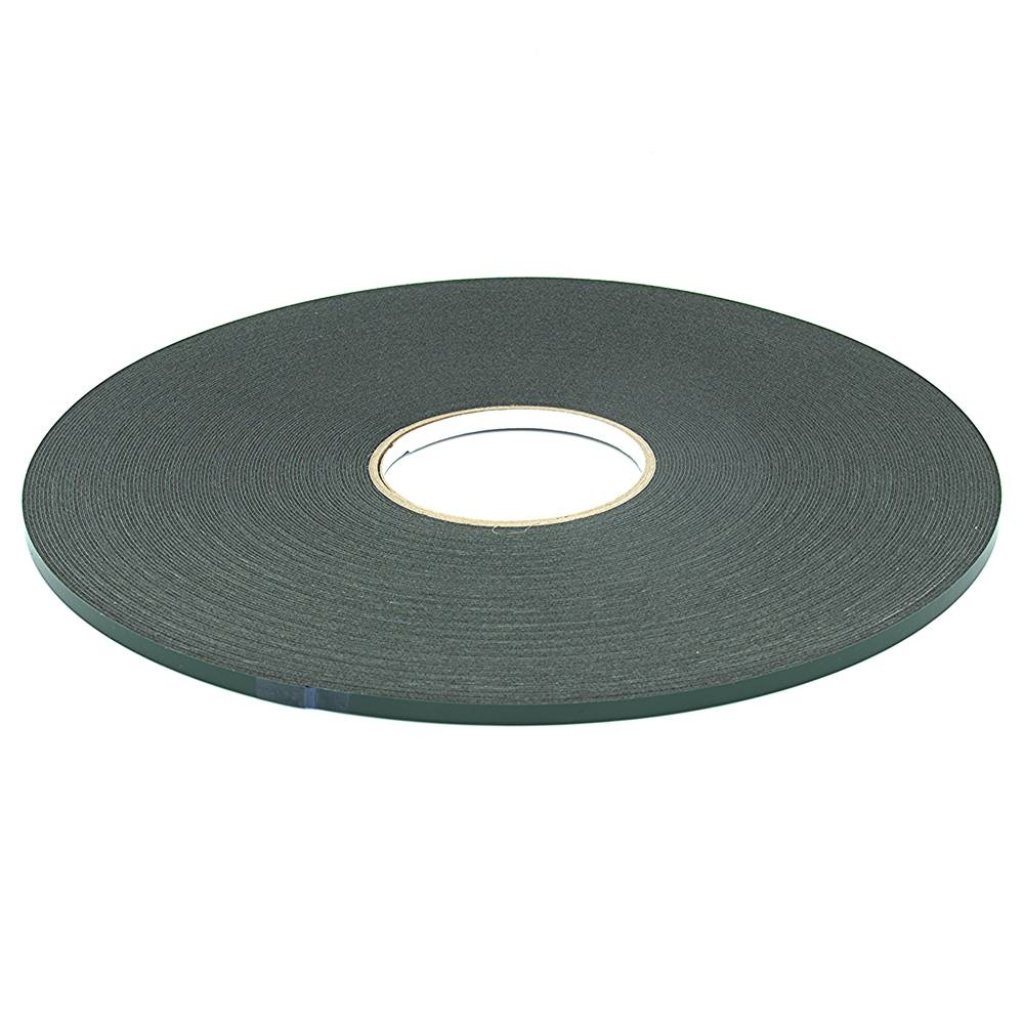
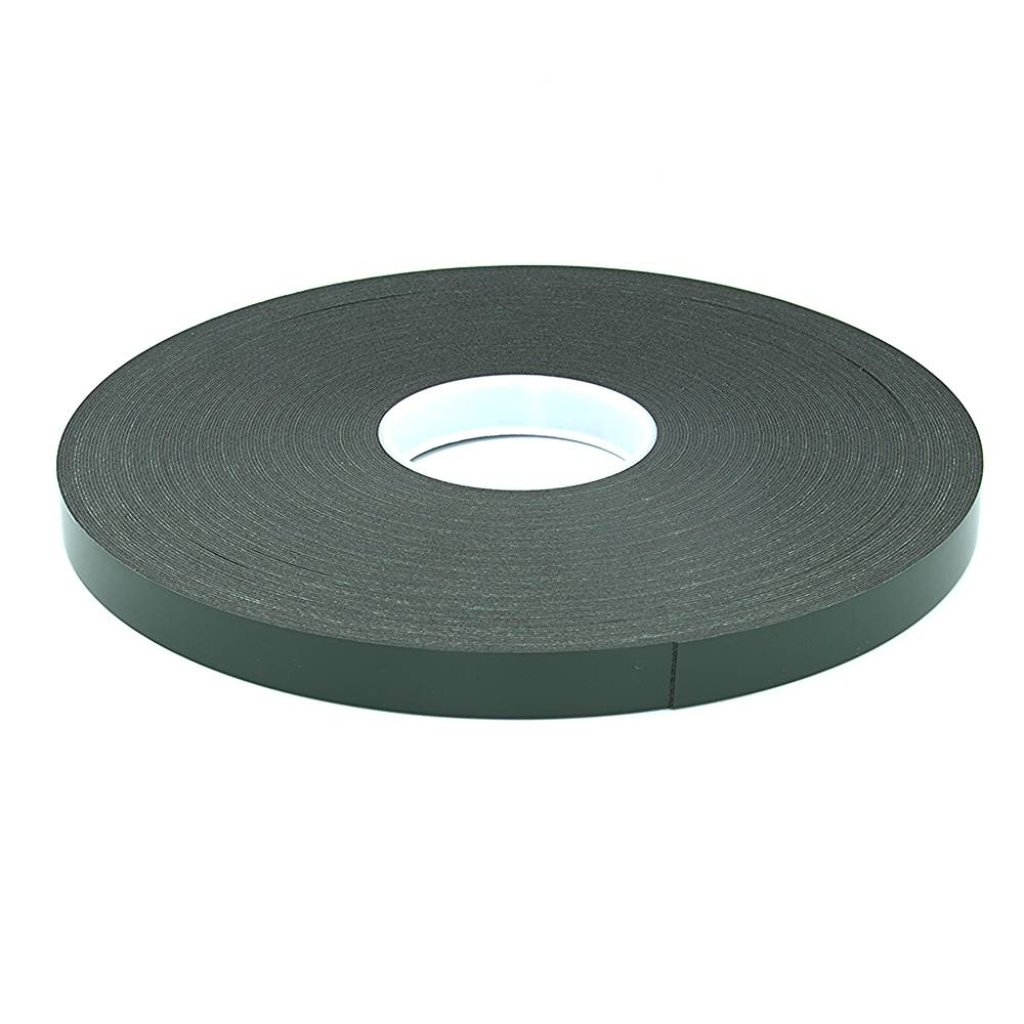
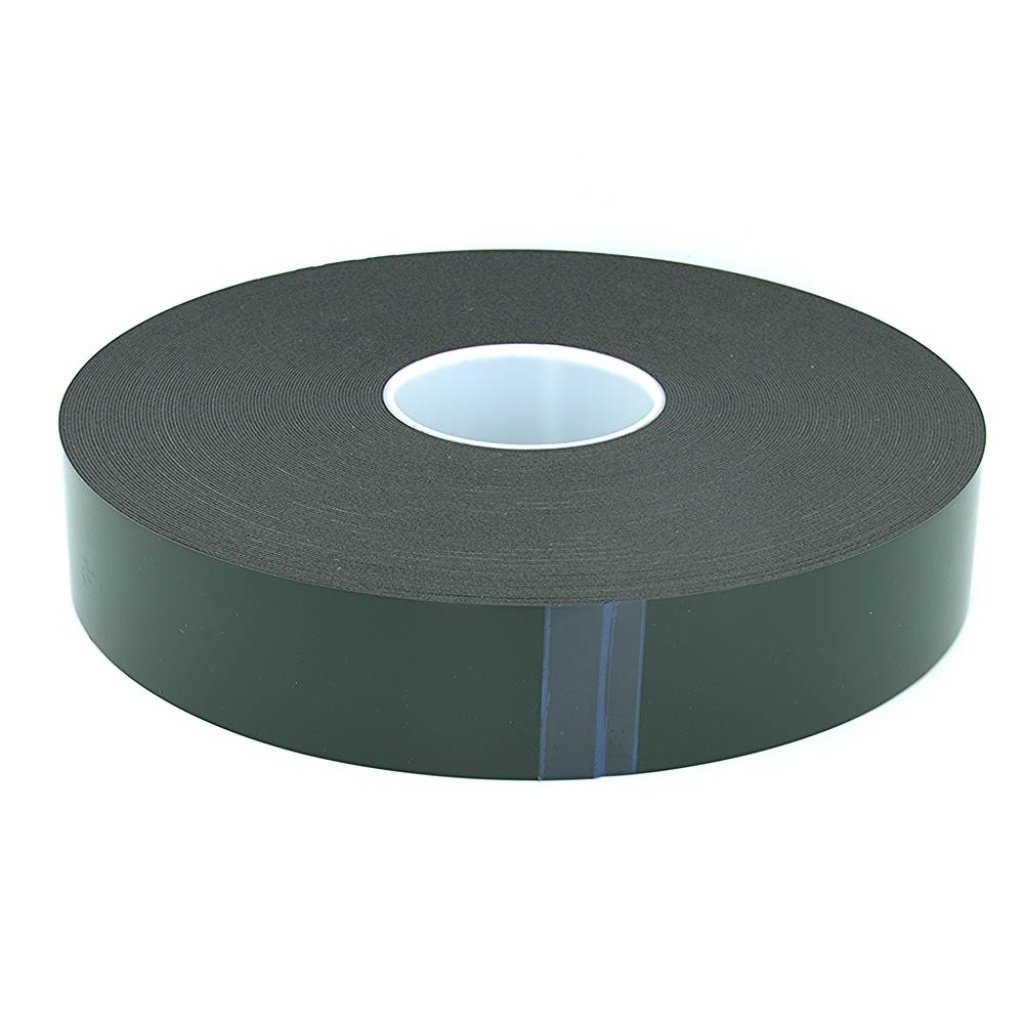
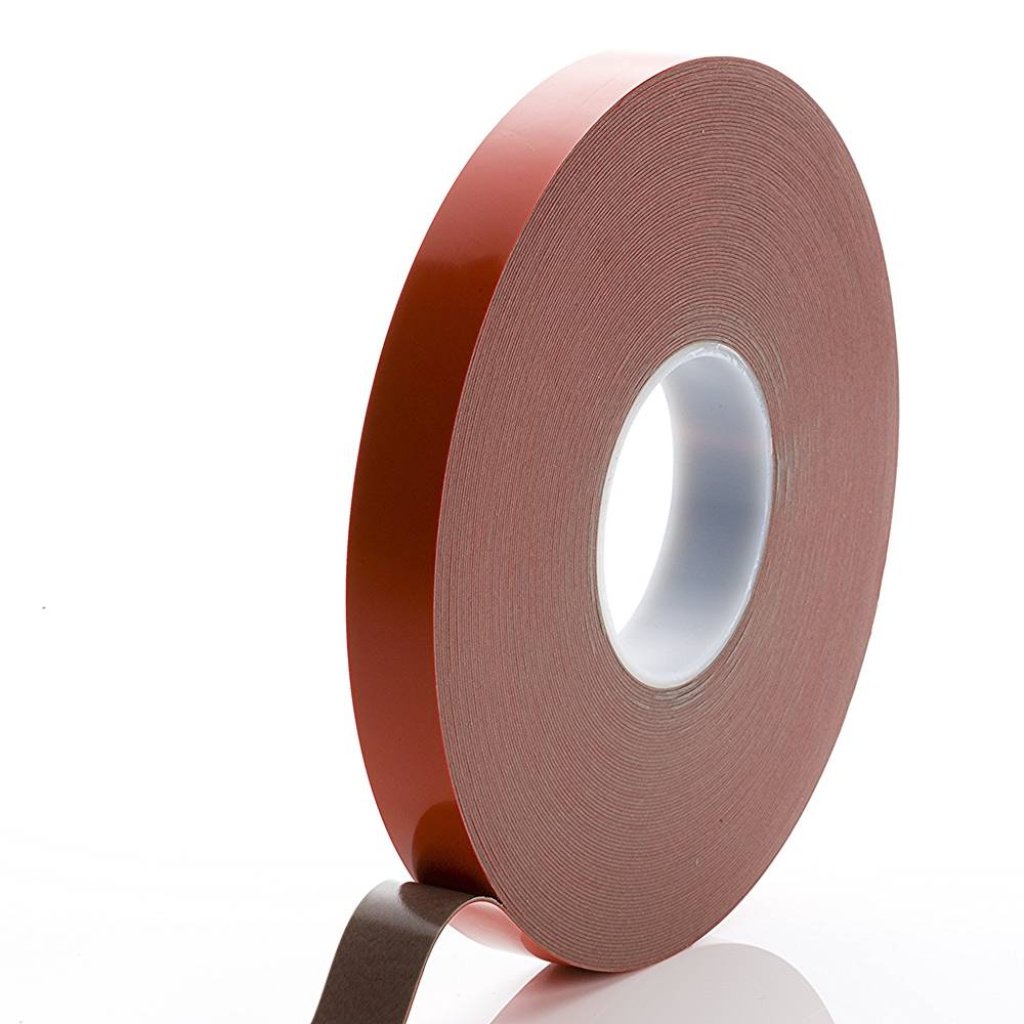
What Makes Automotive Foam Tape Different From Standard Foam Tape?
Not all double sided foam tapes are created equal. The generic foam tapes you'll find in DIY stores and on marketplace sites are typically designed for indoor craft, signage, and light mounting work. They use rubber-based adhesives that can soften in heat, degrade under UV exposure, and lose grip when exposed to the plasticisers found in automotive paints and plastics.
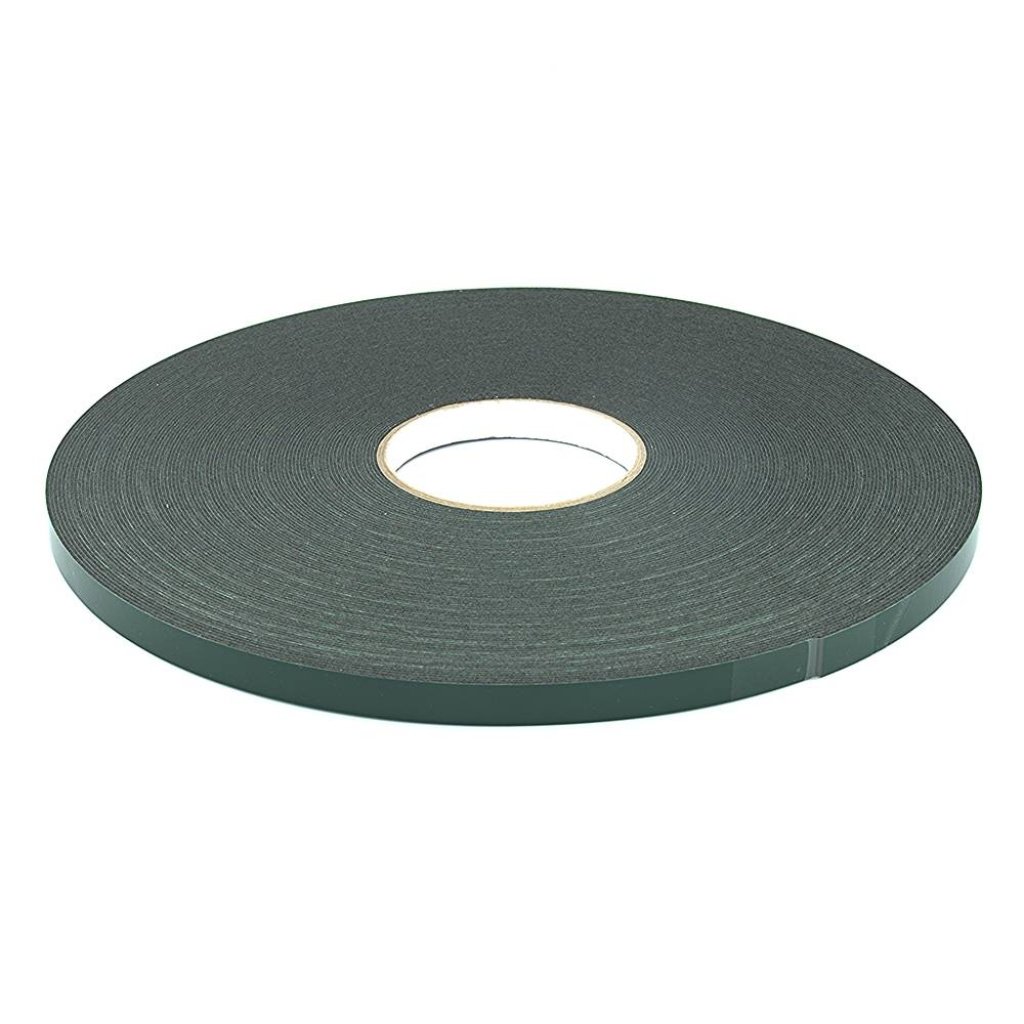
Automotive grade foam tape is a fundamentally different product. The tapes in this range are specifically formulated for the demands of vehicle bodywork — where the adhesive has to withstand direct sunlight, rain, frost, road salt, car wash chemicals, engine heat, and constant vibration from the road surface. Here's what sets them apart.
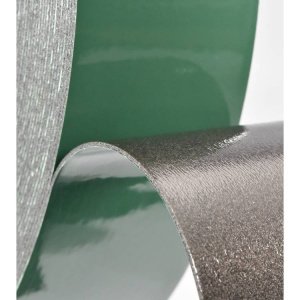
Closed-cell polyethylene foam carrier. The foam core is a cross-linked, closed-cell polyethylene — meaning it doesn't absorb water, won't compress and lose its cushioning over time, and provides consistent thickness across the full length of the roll. The cell structure is even and smooth, giving the ideal surface for adhesive coating and ensuring the tape sits flat and flush against both bonding surfaces.
Solvent-based acrylic adhesive. Unlike the rubber adhesives found on general-purpose foam tapes, the acrylic adhesive on our automotive range delivers excellent UV resistance, outstanding temperature performance (from -40°C to +150°C), and strong resistance to plasticisers, chemicals, and moisture. This means the bond won't yellow, soften, or fail when exposed to direct sunlight — a critical requirement for any tape used on vehicle exteriors.
Vibration dampening. The foam layer acts as a shock absorber between the two bonded surfaces, cushioning against road vibration and preventing the rattle and buzz that can occur when rigid components like badges, trim strips, and body panels are mounted directly to a vehicle body without a compliant interlayer.
Permanent bond. These tapes are designed for permanent installations. The acrylic adhesive builds to full bond strength over 12–24 hours and maintains that hold indefinitely under normal conditions. This isn't a temporary mounting solution — once cured, these tapes are designed to last the lifetime of the vehicle.
Choosing the Right Width
Selecting the correct tape width comes down to the size and weight of the item you're mounting and the width of the bonding surface available. Here's a practical guide to each width in the range.
| Width | Roll Length | Best For |
|---|---|---|
| 6mm | 50m | Fine pinstripe trim, narrow badge edges, thin chrome strips, small emblems, and detail work where a wider tape would be visible |
| 12mm | 50m | Standard car badges, small emblems, nameplates, door handle surrounds, and mounting narrow weatherstrip sections |
| 19mm | 50m | Number plates, wider trim strips, door mouldings, window weatherstripping, and mid-size body accessories |
| 25mm | 50m | Wide body side mouldings, chrome trim strips, large badges and decals, rain deflectors, and wind visors |
| 50mm | 50m | Large body panels, bumper sections, spoilers, body kit components, wide wheel arch trims, and heavy exterior accessories |
As a general rule, the tape should be at least as wide as the bonding surface on the item you're mounting. If the badge or trim piece has a flat back that's 10mm wide, use the 12mm tape. If it's 20mm wide, use the 19mm or 25mm. Using a tape that's narrower than the bonding surface reduces contact area and weakens the hold.
For heavy items like spoilers and body kit components, consider using multiple parallel runs of tape rather than a single strip — this provides redundancy and distributes the load across a larger area.
Common Automotive Applications
Car badges, emblems, and nameplates. Replacing a lost or damaged badge is one of the most common uses for automotive foam tape. The tape holds the badge securely to the painted body panel, cushions it against vibration, and allows for a clean, adhesive-only fitment without clips or screws. For most standard car badges, the 12mm or 19mm width is ideal.
Number plates. Mounting number plates with foam tape gives a cleaner finish than screws and avoids drilling holes through the bumper or bodywork. The 19mm width is the standard choice — wide enough to provide a strong bond across the top and bottom edges of the plate, while narrow enough to sit behind the plate frame without being visible. For heavy pressed-metal plates, use two runs of 25mm tape for extra security.
Trim strips and mouldings. Body side mouldings, chrome trim strips, window surrounds, and door edge protectors are all typically bonded with automotive foam tape. Match the tape width to the trim width — 6mm for fine chrome pinstripes, 12mm for standard mouldings, 25mm for wide body side strips.
Weatherstripping. Foam tape is used to bond rubber and EPDM weatherstrip sections around doors, windows, boots, and bonnets. The foam carrier provides a cushioned, flexible bond that accommodates the slight movement of weatherstripping as doors and panels open and close.
Spoilers, body kits, and bumper components. Larger body components are increasingly bonded rather than mechanically fixed — particularly on modern vehicles where drilling through bodywork can compromise corrosion protection. The 50mm tape provides the wide bonding surface needed for these heavy, high-stress applications. For components subject to significant wind loading at speed (such as rear spoilers), supplement the tape bond with mechanical fixings for added safety.
Interior trim and anti-rattle. Inside the vehicle, foam tape is used to secure interior panels, dashboard components, centre console trims, and door cards. The foam layer dampens vibration and eliminates the rattles and buzzes that occur when rigid panels sit directly against the vehicle body.
Parking sensors, cameras, and accessories. Aftermarket accessories like parking sensors, reversing cameras, GPS mounts, and phone holders can be mounted with foam tape for a clean, drill-free installation. Use the narrowest tape that covers the mounting surface.
Surface Preparation for Automotive Applications
The bond is only as good as the surface it's applied to — and automotive surfaces present specific challenges. Painted bodywork, plastic bumpers, and chrome trim all need proper preparation to achieve a lasting hold.
Painted metal bodywork: Wash the area thoroughly to remove dirt, road grime, and wax. Then wipe with isopropyl alcohol (IPA) to remove any remaining wax residue, silicone, or polish. Allow to dry completely. Do not use household cleaners — many contain surfactants and moisturisers that leave a film on the surface.
Plastic bumpers and trim: Clean with IPA. Unpainted plastic surfaces can be low energy, which makes adhesive bonding more difficult. If the tape struggles to grip, lightly abrade the surface with a fine abrasive pad or 400-grit sandpaper to create a mechanical key, then wipe clean and reapply. Some automotive adhesion promoters (plastic primers) can also improve bond strength on bare plastic.
Chrome and polished surfaces: Clean with IPA. Chrome provides an excellent bonding surface for acrylic adhesive once any polish or wax residue has been removed.
Temperature matters. Apply the tape when both the surface and the tape are at room temperature — ideally between 15°C and 25°C. In cold weather, the adhesive's initial tack is significantly reduced. If you're working in a garage in winter, bring the tape and the component indoors for at least an hour before application. After applying, allow 12–24 hours for the adhesive to reach full bond strength before subjecting the bond to load, vibration, or car washing.
For detailed guidance, see our Surface Preparation and Application Guide.
Technical Specifications
| Property | Detail |
|---|---|
| Foam carrier | Closed-cell cross-linked polyethylene, black |
| Foam thickness | 0.8mm (1mm including adhesive) |
| Adhesive type | Solvent-based acrylic, pressure sensitive |
| Liner | Green low-density polyethylene (LDPE) with differential silicone coating |
| Temperature range | -40°C to +150°C |
| UV resistance | Excellent — suitable for permanent exterior use in direct sunlight |
| Chemical resistance | Resistant to plasticisers, common automotive fluids, and cleaning agents |
| Humidity resistance | High — minimal effect on adhesive performance |
| Suitable for | Indoor and outdoor, internal and external vehicle applications |
Frequently Asked Questions
What's the difference between automotive foam tape and standard double sided foam tape?
Automotive foam tape uses a solvent-based acrylic adhesive that's specifically formulated to resist UV degradation, extreme temperatures, plasticisers, and chemicals. Standard foam tape typically uses a rubber adhesive that will soften and fail under these conditions. If you're mounting anything on the exterior of a vehicle, always use automotive grade tape — standard foam tape is likely to fail within weeks or months of outdoor exposure.
Will this tape hold a number plate on?
Yes — this is one of the most common applications. Use 19mm tape along the top and bottom edges of the plate. For heavy pressed-metal plates or plates mounted on bumpers that flex, use 25mm tape for additional bonding surface. Make sure the surface is thoroughly cleaned with IPA before application and allow 12–24 hours for the bond to cure before driving.
Can I use this tape to mount a spoiler or body kit?
For lightweight spoilers and body kit trims, yes — the 50mm width provides the large bonding surface needed. However, for heavy spoilers and components subject to significant aerodynamic loading at motorway speeds, we recommend supplementing the tape bond with mechanical fixings (bolts or screws) for safety. The tape provides the primary bond and vibration dampening, while the mechanical fixings act as a fail-safe.
How long does the tape take to reach full strength?
The acrylic adhesive grips on contact, but full bond strength develops over 12–24 hours. During this curing period, avoid car washing, high-speed driving, and any heavy loading on the bond. In cold conditions (below 10°C), extend the curing time to 48 hours.
Is the tape removable once applied?
These tapes are designed for permanent bonding. They can be removed, but it requires careful peeling and may leave adhesive residue that needs to be cleaned off with a suitable adhesive remover or IPA. The foam carrier may tear during removal rather than peeling cleanly. If you need a removable or repositionable bond, this is not the right product — contact us and we can recommend an alternative.
What thickness is the foam?
The foam carrier is 0.8mm thick (approximately 1mm including the adhesive layers on both sides). This provides enough cushioning to dampen vibration and accommodate slight surface irregularities, while remaining thin enough for a flush, low-profile finish on badges, trim, and mouldings.
Can I use this tape inside the car as well as outside?
Absolutely. The tape is widely used for interior applications including securing dashboard components, centre console trims, door cards, and aftermarket accessories. The foam layer is particularly useful inside vehicles as it dampens vibration and eliminates rattles from trim panels.
Do you offer bulk or trade pricing?
Every roll in the range includes automatic bulk discounts — the unit price drops as you increase the quantity. For large or ongoing orders, contact us for a bespoke trade quote.
Where can I find out more?
To find out more about Polyethylene please see this Wikipedia page.