
Choosing The Right Glue For The Job: A Comprehensive Guide
When tackling any project, from DIY repairs to large-scale builds, the choice of glue can make or break the outcome—literally. Selecting the right adhesive is crucial to ensure that your materials bond effectively and last over time. But with so many different types of glue available, how do you choose the best one for the job? Let’s dive into the world of adhesives and help you find the perfect match for your next project.
Understanding Different Types of Glue
First, let’s break down some of the most common types of glue you’ll encounter.
PVA Glue (White Glue)
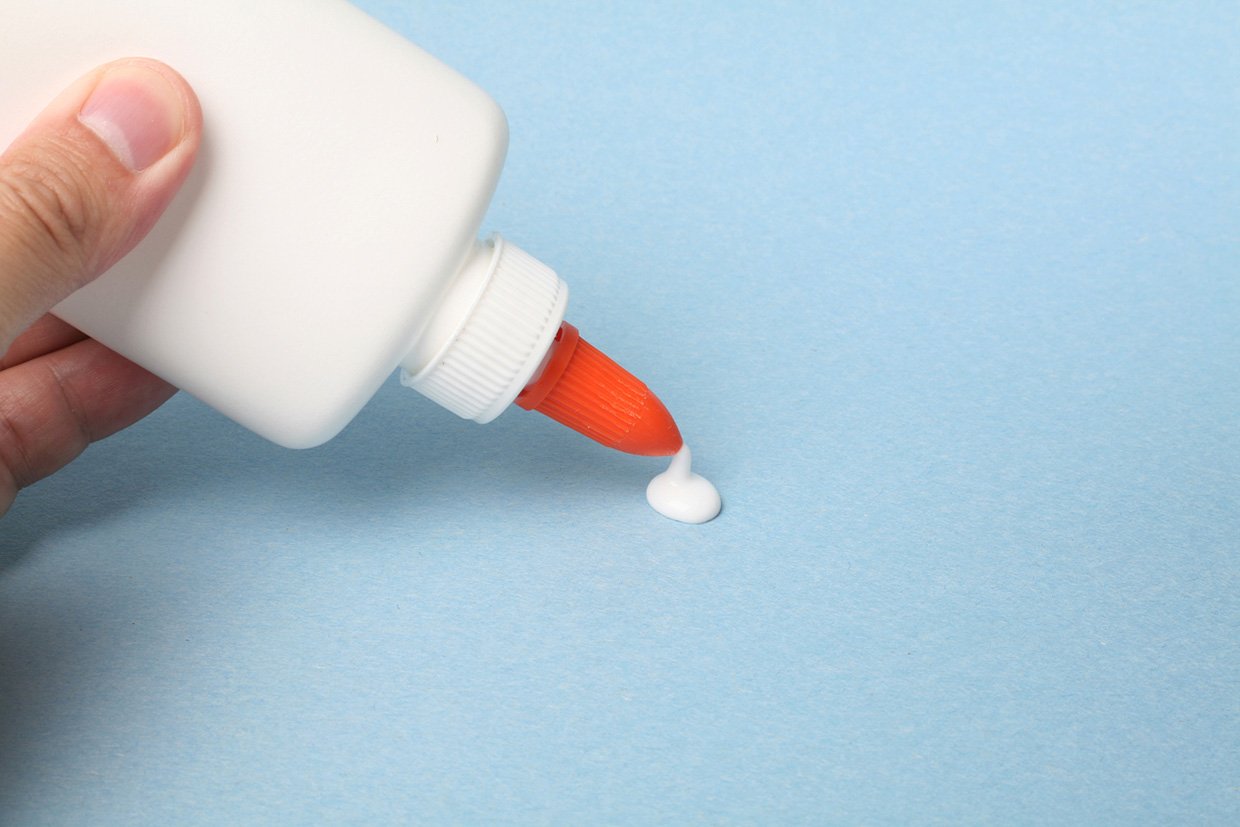
PVA (polyvinyl acetate) glue is your classic white school glue. It’s versatile and works well on porous materials like wood, paper, and fabric. It’s commonly used for craft projects but doesn’t offer much strength for heavy-duty jobs.
Epoxy Glue
Epoxy consists of two components: a resin and a hardener. When mixed, they form a powerful bond that’s both water-resistant and incredibly strong. This makes epoxy a go-to for industrial applications, repairs, and even bonding metal and plastic.
Super Glue (Cyanoacrylate)
Super glue is famous for its instant bonding capabilities. It works quickly on a variety of materials, including metal, plastic, ceramic, and wood. However, it’s brittle once set, so it’s not suitable for flexible materials or high-stress applications.
Hot Glue
Hot glue is a favourite for crafters and DIYers. Applied using a hot glue gun, it works best on materials like fabric, wood, and foam. While not the strongest adhesive, it sets quickly and is great for temporary or lightweight projects.
Factors to Consider When Choosing Glue
When deciding which glue to use, consider the following factors:
The Materials You Are Bonding
Not all glues work on all materials. For instance, wood glue is great for wooden joints but won’t be much help if you’re bonding plastic. Always check the label to ensure the glue is compatible with your materials.
Drying Time and Working Time
If you need time to adjust the positioning of your materials, opt for a glue with a longer working time, such as epoxy. On the other hand, if you need a quick bond, super glue might be the better choice.
Strength and Durability Requirements
For projects requiring long-term durability or exposure to stress (e.g., construction work or outdoor projects), choose a strong adhesive like epoxy or a specific waterproof adhesive.
Common Types of Glue and Their Best Uses
Let’s take a closer look at where each type of glue excels:
PVA Glue (White Glue)
- Best for: Paper, cardboard, wood, and light crafting materials.
- Drawbacks: Not waterproof or suitable for heavy-duty projects.
Epoxy Glue
- Best for: Metal, wood, plastic, and glass, especially in applications requiring high strength.
- Drawbacks: Requires mixing and has a slower curing time.
Super Glue (Cyanoacrylate)
- Best for: Small repairs on materials like ceramics, plastic, and metal.
- Drawbacks: Not flexible or suitable for large surfaces.
Hot Glue
- Best for: Fabric, foam, lightweight wood, and paper.
- Drawbacks: Not heat-resistant and may not hold up for long-term projects.
Wood Glue
- Best for: Joining wooden components, such as in furniture making or carpentry.
- Drawbacks: Not suitable for materials other than wood.
Spray Adhesive
- Best for: Large surfaces like upholstery or foam.
- Drawbacks: Can be difficult to apply precisely.
For large-area bonding — carpets, foam, fabric, panels — an industrial spray adhesive gives you faster application and more even coverage than brush-on contact glues.
Choosing Glue for Specific Applications
Different projects require different types of glue. Let’s explore some common use cases.
Best Glue for Wood Projects
For wood-to-wood bonding, wood glue is ideal. It dries clear, bonds strongly, and can even be sanded or painted over.
Ideal Glue for Plastic Repairs
For plastic, super glue or epoxy work best. Both form strong bonds, though epoxy might be better for heavy-duty repairs due to its flexibility and durability.
Glue for Fabric and Textiles
For fabrics, hot glue or fabric glue is the best choice. Both provide flexibility and won’t damage delicate textiles.
Choosing the Right Glue for Paper and Crafts
PVA glue is a favourite for paper-based crafts. It’s non-toxic, dries clear, and can be easily cleaned up with water.
Speciality Adhesives for Challenging Jobs
Sometimes, a specialised adhesive is required for specific conditions.
Waterproof Glues for Outdoor Projects
If your project will be exposed to moisture or outdoor conditions, choose a waterproof glue like marine epoxy or waterproof wood glue.
Heat-Resistant Adhesives
For high-temperature environments, such as automotive or industrial applications, heat-resistant adhesives like silicone-based glues are essential.
Glue for Glass and Ceramics
When working with glass or ceramics, you’ll need an adhesive that dries clear and bonds firmly, like clear epoxy or a specialised ceramic glue.
How to Apply Glue for Maximum Effectiveness
Applying glue correctly is just as important as choosing the right type.
Surface Preparation
Always clean the surfaces you are bonding. Dirt, dust, or grease can interfere with the adhesive and weaken the bond.
Applying Glue Evenly
Apply a thin, even layer of glue to one or both surfaces, depending on the type of adhesive. Avoid over-applying, as this can lead to a messy bond and longer drying times.
Ensuring a Strong Bond
Use clamps or apply pressure to the bonded surfaces until the glue has set. This will ensure a stronger bond, especially with materials like wood or metal.
How to Avoid Common Glue Mistakes
Applying Too Much or Too Little Glue
More glue doesn’t necessarily mean a stronger bond. In fact, over-application can cause problems like delayed drying and weaker adhesion.
Not Allowing Proper Drying Time
Every glue has a set drying and curing time. Make sure to follow the manufacturer’s instructions to allow the adhesive to fully set before handling the bonded materials.
Ignoring Material Compatibility
Not all glues work on all surfaces. Always check the compatibility of the adhesive with the materials you’re working with.
Conclusion
Choosing the right glue for the job is essential to ensure strong, durable, and effective bonds. Whether you’re working with wood, metal, fabric, or glass, there’s a glue designed specifically for your needs. By considering factors like material type, strength requirements, and drying time, you can confidently select the best adhesive for your project.
FAQs
- How do I know which glue is best for my project?
The best way to determine the right glue is to consider the materials you’re bonding, the strength required, and the conditions (like temperature or moisture) the bond will face. Always check the glue’s label for compatibility with your materials. - Can one type of glue work on multiple materials?
Yes, some adhesives, like epoxy and super glue, are versatile and can bond multiple materials such as wood, metal, plastic, and ceramics. However, specialised glues may perform better for specific materials. - Is super glue waterproof?
While super glue can resist small amounts of moisture, it is not typically considered waterproof. For waterproofing needs, look for marine-grade epoxy or other adhesives specifically designed to withstand water exposure. - How long does glue take to dry?
Drying times vary by adhesive. Super glue can bond within seconds, while epoxy might take several minutes to hours, depending on the type. Always follow the manufacturer’s drying and curing instructions for optimal results. - How can I remove glue if I make a mistake?
For dried glue, use a solvent like acetone (for super glue) or a specialised adhesive remover. For wet glue, wipe it off with a damp cloth before it dries. Always test the removal method on a small, hidden area first to avoid damaging the surface.

Add comment