
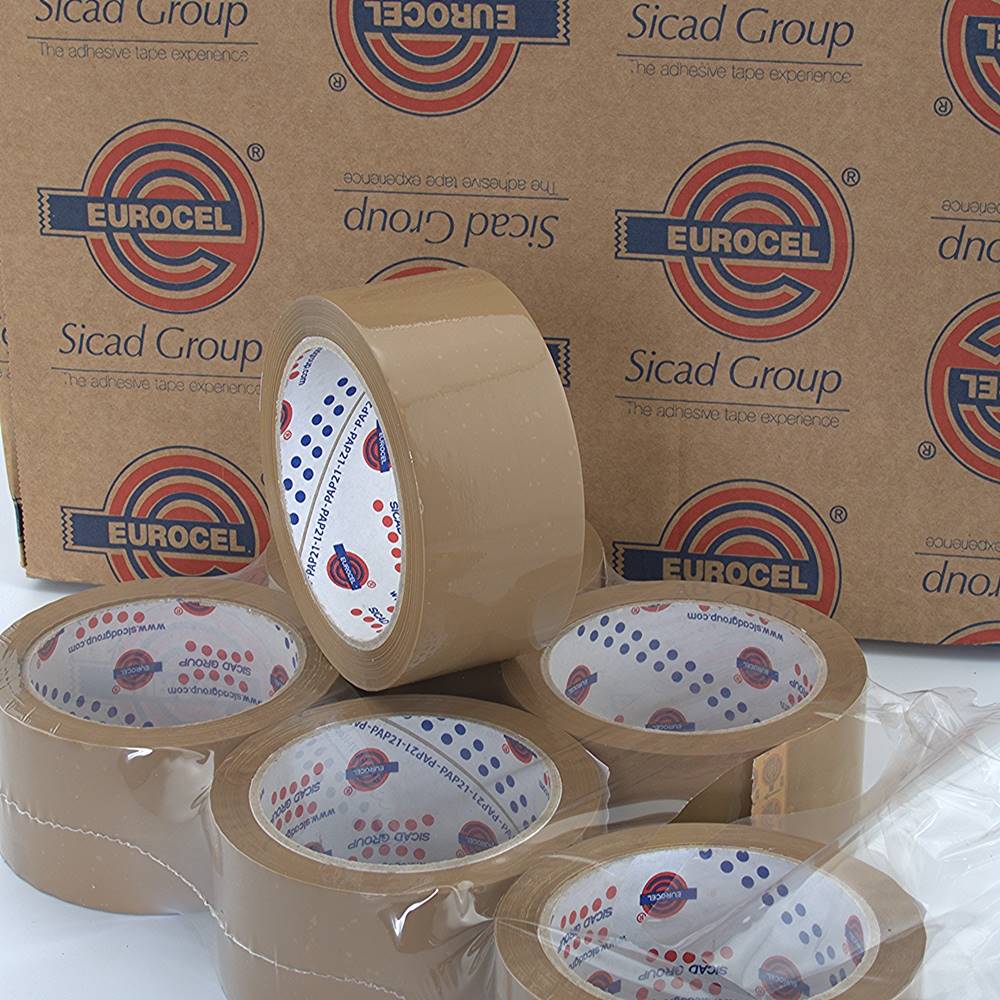
How to Store and Maintain Adhesives for Longer Shelf Life
When it comes to adhesives—whether glue, tape, or other bonding agents—proper storage and maintenance are key to ensuring they remain effective and long-lasting. By taking the time to store them properly, you can avoid waste and save money in the long run. In this guide, we will cover the most effective ways to store and maintain adhesives, tapes, and glues, so you can extend their shelf life.
Introduction
Adhesives play a crucial role in countless DIY projects, professional construction, and industrial settings. But did you know that improper storage can cause them to lose their effectiveness much faster than they should? From glue drying out to tape losing its stickiness, how you store these products makes all the difference. In this guide, we’ll walk you through the essentials of adhesive storage, ensuring you get the most life out of every tube, bottle, or roll.
Why Proper Storage is Important
The Science Behind Adhesive Degradation
Adhesives are complex chemical compounds designed to bond materials together. Over time, these compounds can break down, especially when exposed to air, moisture, or extreme temperatures. The result? Adhesives that no longer bond as effectively, turning your trusted materials into useless waste.
Common Storage Mistakes
Leaving adhesives exposed to air, heat, or direct sunlight are common mistakes that reduce their shelf life. Many people overlook the importance of keeping adhesives in a controlled environment, which accelerates the process of degradation.
Understanding Different Types of Adhesives
Before diving into storage tips, it’s important to understand the different types of adhesives you may be working with. Each type has specific requirements for optimal storage.
Water-Based Adhesives
Water-based adhesives are prone to drying out, especially when exposed to air. These adhesives are sensitive to freezing and should be stored in a cool, dry place.
Solvent-Based Adhesives
Solvent-based adhesives, while more robust than water-based varieties, are sensitive to high temperatures. Heat can cause them to evaporate or thicken, reducing their effectiveness.
Hot Melt Adhesives
Hot melt adhesives need to be stored at moderate temperatures. If they are stored in environments that are too cold, they can become brittle and lose their bonding properties.
Pressure-Sensitive Adhesives
Pressure-sensitive adhesives (like most tapes) require clean, dry environments. Excess humidity can cause them to lose their stickiness, while dust and contaminants can interfere with adhesion.
How Temperature Affects Adhesive Shelf Life
Ideal Temperature Ranges
For most adhesives, the ideal storage temperature ranges between 15°C and 25°C (59°F to 77°F). Storing adhesives outside of this range can lead to changes in consistency and bonding power.
What Happens in Extreme Heat and Cold
When exposed to extreme heat, adhesives can become too runny, evaporate, or thicken. Conversely, freezing temperatures can make adhesives brittle and cause irreversible damage, rendering them ineffective.
The Role of Humidity in Adhesive Storage
Why Moisture Control Matters
Moisture is a major enemy of adhesives. Excessive humidity can cause water-based adhesives to dry out, and can compromise the effectiveness of pressure-sensitive tapes. For solvent-based adhesives, moisture can lead to chemical reactions that degrade the adhesive’s properties.
Recommended Humidity Levels for Different Adhesives
For most adhesives, maintaining a humidity level of around 50% is ideal. Be sure to keep adhesives in areas with good ventilation to avoid moisture buildup.
Best Practices for Storing Glue
Keeping Glue in Airtight Containers
One of the simplest ways to extend the life of glue is by storing it in airtight containers. Exposure to air is the number one cause of glue drying out prematurely.
Avoiding Sunlight Exposure
Direct sunlight can heat up adhesives and accelerate the breakdown of chemical compounds. Always store glue in a cool, shaded location.
Proper Sealing After Use
After using glue, make sure to seal the container properly. Wipe off excess glue from the tip to prevent clogging, and ensure the cap is tightly closed to avoid exposure to air.
Proper Tape Storage
Preventing Tape from Drying Out
Tapes, especially those with pressure-sensitive adhesive, should be stored in a cool, dry place. Excessive heat can cause the adhesive to lose its stickiness.
Storing Tape in Cool, Dry Places
A storage cabinet or drawer that is free from moisture and direct heat is ideal for keeping tapes in prime condition.
How to Store Industrial Adhesives
Packaging Tips
For larger quantities of adhesives, consider investing in durable, airtight containers. These prevent air and moisture from compromising the product.
Labeling and Inventory Management
Always label adhesive containers with the date of purchase. This will help you manage your stock effectively and use older products before they expire.
Storing Adhesives in a Workshop Setting
Best Practices for Bulk Storage
If you are storing adhesives in bulk, it’s essential to keep them organized. Use racks or cabinets to store adhesives off the floor, and away from direct sunlight or heat sources.
Keeping Adhesives Away from Other Chemicals
Some chemicals can cause reactions when they come into contact with adhesives. Store your adhesives separately from solvents, oils, and other chemicals that could cause contamination.
Signs of Adhesive Expiry
Changes in Texture, Smell, or Colour
If your adhesive has changed in texture, smells unusual, or has discoloured, it’s likely expired and should not be used.
Performance Degradation
If you notice that your adhesives no longer stick or bond as effectively as they used to, it’s time to replace them.
Maintaining Adhesive Applicators and Tools
Cleaning Nozzles and Brushes
After each use, clean any nozzles, brushes, or other applicators to prevent dried adhesive from clogging the equipment.
Storing Tools Properly
Just like adhesives, tools need proper storage. Keep them in a dry place, away from direct sunlight or extreme temperatures.
Avoiding Contamination
How to Avoid Cross-Contamination
Use clean tools for each adhesive to avoid cross-contamination. Never dip brushes or nozzles into more than one adhesive.
Common Contaminants That Affect Adhesive Performance
Dirt, dust, and even moisture can reduce the effectiveness of adhesives. Make sure all surfaces are clean before application to ensure a strong bond.
How to Revive Old Adhesives
Can Adhesives Be Salvaged?
Some adhesives can be revived if they have not completely dried out. Adding a few drops of water or solvent (depending on the type) may restore their consistency.
Techniques to Restore Adhesives
Gently warming adhesives or adding a solvent can sometimes bring them back to life. However, this is a temporary fix, and the adhesive may not perform as well as a fresh product.
Adhesive Disposal: What You Need to Know
Safe Disposal Methods
Check with your local waste disposal guidelines for the proper way to dispose of adhesives. Many adhesives are considered hazardous waste and should not be thrown out with regular rubbish.
Environmental Considerations
Some adhesives are harmful to the environment if not disposed of correctly. Consider using eco-friendly adhesives that are easier to dispose of and less harmful to the planet.
Conclusion
Properly storing and maintaining adhesives can significantly extend their shelf life and save you money. By controlling temperature, humidity, and avoiding contamination, you can keep your adhesives effective for longer. Whether you are working with glue, tape, or industrial adhesives, following these simple storage tips will ensure that your adhesives are always ready when you need them.
FAQs
- What temperature should adhesives be stored at?
Most adhesives should be stored between 15°C and 25°C to ensure longevity. - Can I store adhesives in the fridge?
Some adhesives, especially water-based ones, can benefit from cool storage, but avoid freezing. - How do I know if my adhesive has expired?
Look for changes in texture, colour, smell, or performance. These are all signs that an adhesive may no longer be effective. - Can dried-out glue be revived?
In some cases, adding water or solvent can restore dried glue, but it’s a temporary fix. - Why is my tape not sticking anymore?
If your tape has been exposed to heat or humidity, the adhesive may have degraded, making it less sticky.


Add comment