
The Importance of Surface Preparation for Adhesive Success
When it comes to using adhesives effectively, the importance of surface preparation cannot be overstated. A poorly prepared surface can lead to weak bonds, premature failure, and costly rework. Whether you’re working on a DIY project, a professional application, or an industrial process, taking the time to properly clean and prepare surfaces is the foundation of adhesive success.
This comprehensive guide explores the critical role of surface preparation, provides step-by-step instructions for achieving optimal results, and highlights the benefits of getting it right the first time.
Why Surface Preparation Matters
Adhesives rely on surface interaction to create a strong and durable bond. When surfaces are contaminated with dirt, oils, moisture, or other residues, the adhesive cannot achieve proper adhesion. This leads to:
- Reduced Bond Strength: Contaminants act as barriers, preventing the adhesive from forming a solid bond.
- Premature Bond Failure: Even if the bond initially seems secure, it may fail over time due to inadequate surface adhesion.
- Inconsistent Results: Without proper preparation, the performance of the adhesive can vary, leading to unpredictable outcomes.
Surface preparation ensures that the adhesive interacts directly with the substrate, creating a robust and reliable bond.
Common Contaminants That Affect Adhesion
Before delving into surface preparation techniques, it’s important to understand the types of contaminants that can interfere with adhesion:
- Dirt and Dust
- These particles create a physical barrier between the adhesive and the surface, weakening the bond.
- Oils and Grease
- Often invisible, oils and grease can significantly reduce adhesion by creating a slippery surface.
- Moisture
- Water or humidity can compromise adhesive performance, particularly for materials sensitive to moisture.
- Oxidation and Corrosion
- Metal surfaces can develop rust or oxidation layers that hinder adhesive bonding.
- Release Agents
- Surfaces previously treated with release agents, such as moulded plastics, may repel adhesives.
- Old Adhesive Residue
- Leftover adhesive from previous applications can create uneven surfaces, reducing the new bond’s effectiveness.
Steps for Effective Surface Preparation
Proper surface preparation involves cleaning, conditioning, and, in some cases, treating the surface to optimise adhesion. Here’s a step-by-step guide:
1. Assess the Surface
Before starting, evaluate the type of material you’re working with and identify potential contaminants. Different surfaces, such as metal, plastic, glass, or wood, require different preparation methods.
2. Clean the Surface
Cleaning is the most critical step in surface preparation. Use appropriate cleaning agents based on the type of contaminant and substrate:
- Dirt and Dust: Wipe the surface with a clean, lint-free cloth or use compressed air for hard-to-reach areas.
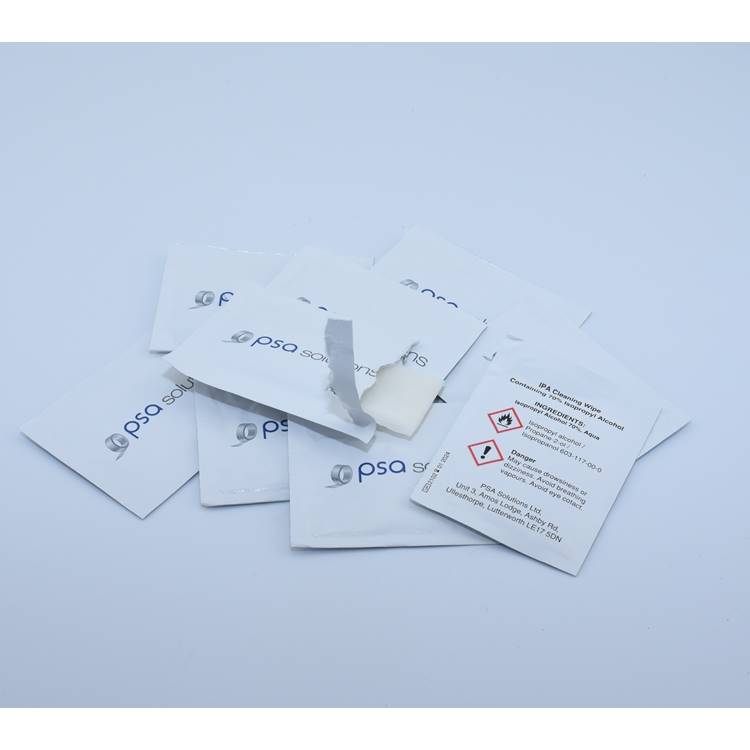
- Oils and Grease: Use solvents like isopropyl alcohol (IPA), acetone, or a mild detergent solution to remove greasy residues.
- Old Adhesive Residue: Use specialised adhesive removers or scraping tools to ensure the surface is smooth and clean.
Pro Tip: Test Cleaning Agents
Before applying a cleaning agent, test it on a small, inconspicuous area to ensure it won’t damage the surface.
3. Dry Thoroughly
After cleaning, allow the surface to dry completely. Adhesives generally do not bond well to wet or damp surfaces. Use a clean, dry cloth or air drying to speed up the process.
4. Abrade if Necessary
For certain materials, lightly abrading the surface can improve adhesion by increasing the surface area and creating mechanical bonding sites:
- Use fine-grit sandpaper or abrasive pads to roughen smooth surfaces.
- After abrasion, clean the surface again to remove dust and debris.
5. Apply a Primer or Activator (if required)
Some adhesives perform better when a primer or activator is applied to the surface. This step is particularly common for materials like plastic or metal, where a primer can enhance bonding strength.
Surface Preparation Techniques for Specific Materials
Different materials require tailored surface preparation methods to ensure optimal adhesion. Here’s how to prepare some common substrates:
1. Metal
- Challenges: Metals can have oil residues from manufacturing or oxidation (rust) on the surface.
- Preparation:
- Degrease with a solvent like IPA or acetone.
- Abrade lightly with sandpaper to remove oxidation or roughen the surface.
- Wipe clean and dry thoroughly.
2. Plastic
- Challenges: Some plastics have low surface energy, making it difficult for adhesives to bond.
- Preparation:
- Clean with a mild detergent or IPA to remove oils and dirt.
- Use a plastic primer or flame treatment to enhance surface energy.
- Ensure the surface is dry before applying the adhesive.
3. Glass
- Challenges: Glass surfaces are smooth and can accumulate fingerprints or dust.
- Preparation:
- Clean with a glass cleaner or IPA.
- Dry with a lint-free cloth to prevent streaks or residues.
- For long-term bonding, consider using a silane coupling agent to improve adhesion.
4. Wood
- Challenges: Wood is porous and can absorb adhesives, leading to uneven bonding.
- Preparation:
- Sand the surface to create a smooth and even finish.
- Remove dust with a clean, dry cloth or vacuum.
- If necessary, seal porous wood with a wood sealer before applying the adhesive.
5. Painted Surfaces
- Challenges: Paint layers may peel or chip, weakening the bond.
- Preparation:
- Ensure the paint is firmly adhered to the surface.
- Lightly abrade the painted area to create bonding sites.
- Clean off any dust or debris before applying the adhesive.
Benefits of Proper Surface Preparation
Investing time in surface preparation pays off in several ways:
- Enhanced Bond Strength
- Proper preparation ensures the adhesive achieves maximum contact with the surface, resulting in a stronger and more durable bond.
- Improved Longevity
- Clean, well-prepared surfaces prevent premature bond failure, extending the lifespan of the adhesive application.
- Consistent Performance
- Eliminating contaminants reduces variability, ensuring reliable results across multiple applications.
- Cost Savings
- Preventing bond failure reduces the need for repairs, replacements, or rework, saving time and money.
- Aesthetic Appeal
- A well-prepared surface prevents unsightly adhesive failures, such as peeling or bubbling, maintaining a professional finish.
Common Mistakes to Avoid
While surface preparation is straightforward, common mistakes can undermine your efforts:
- Skipping Cleaning Steps
- Even seemingly clean surfaces may have invisible contaminants. Always clean thoroughly.
- Using the Wrong Cleaning Agent
- Certain cleaning agents can damage the surface or leave residues. Choose the right product for your material.
- Rushing the Drying Process
- Applying adhesive to a wet or damp surface can compromise the bond.
- Neglecting Abrasion
- For smooth or low-energy surfaces, skipping abrasion can result in weak adhesion.
- Ignoring Manufacturer Instructions
- Always follow the adhesive manufacturer’s guidelines for surface preparation to ensure compatibility.
A Foundation for Adhesive Success
Surface preparation is the cornerstone of adhesive performance. Whether you’re bonding metals, plastics, glass, wood, or any other material, taking the time to clean, condition, and treat the surface ensures strong, reliable, and long-lasting results.
By following the steps outlined in this guide and tailoring your preparation methods to the specific material, you can maximise the effectiveness of your adhesive and achieve professional-grade outcomes. For high-quality adhesives and expert advice on surface preparation, contact PSA Solutions today!


Add comment