
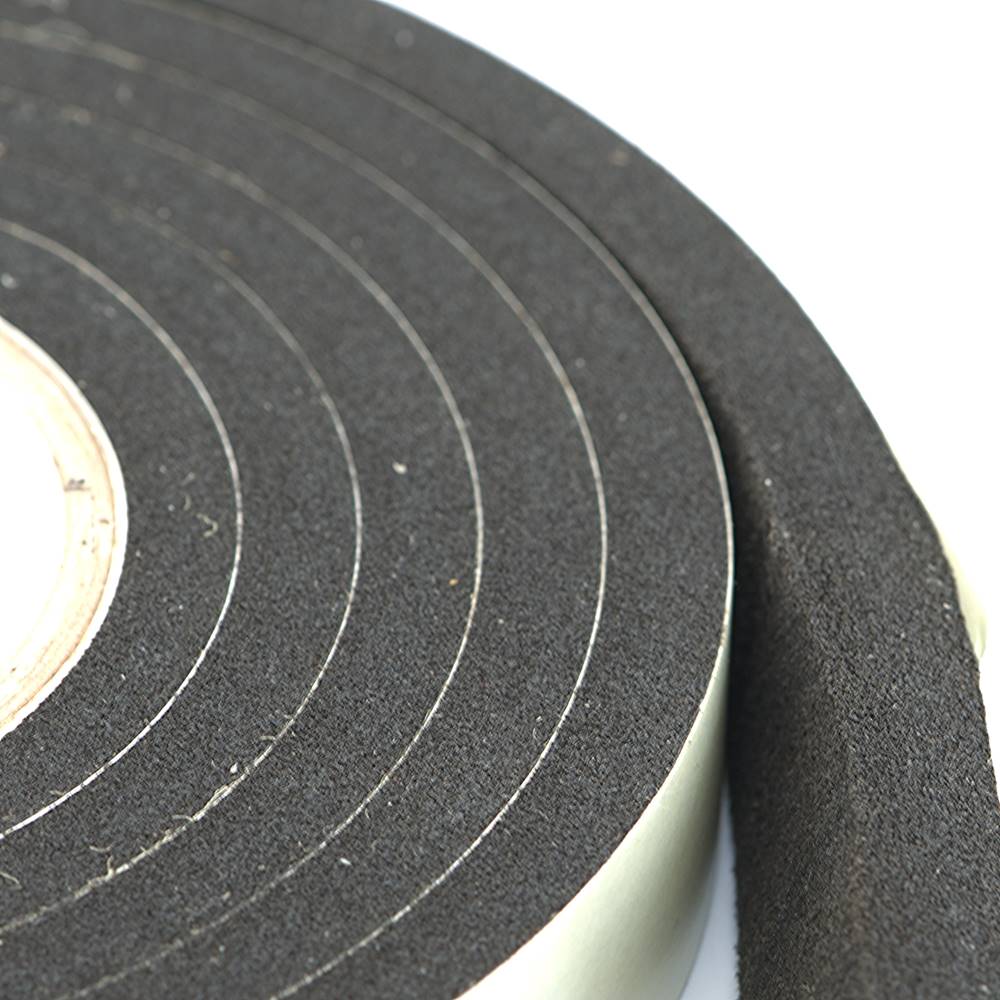
The Science Behind Pressure-Sensitive Adhesives: How Do They Work?
Pressure-sensitive adhesives (PSAs) are everywhere—from the sticky notes on your desk to medical bandages and product labels. These adhesives, designed to bond to surfaces through light pressure alone, are a marvel of modern chemistry and engineering. Unlike traditional adhesives that require heat, water, or solvents to activate, PSAs achieve a firm bond simply by pressing against a surface. But what makes these adhesives work? Let’s explore the fascinating science and technology behind PSAs.
What Are Pressure-Sensitive Adhesives?
Pressure-sensitive adhesives are unique compounds that adhere to surfaces with minimal pressure. Made from a blend of elastomers and resins, PSAs provide a tacky, flexible bond that can range from semi-permanent to completely removable. Their ability to bond without external activation methods like heat makes them distinct from other adhesives.
The Basic Principle of PSAs
The underlying principle of PSAs is simple: they bond by making intimate contact with the surface under pressure. When pressure is applied, PSAs flow into surface irregularities, maximising contact and creating a bond. The strength of this bond depends on various factors, including the adhesive’s formulation and the surface type.
Chemistry Behind PSAs
The magic of PSAs lies in their chemistry. Key components include polymers (long chains of molecules), tackifiers (to enhance stickiness), and plasticizers (to add flexibility). The polymers provide the adhesive’s core strength and flexibility, while tackifiers improve surface adhesion. By carefully balancing these ingredients, manufacturers can create PSAs with varying levels of tackiness, adhesion, and durability.
Types of Pressure-Sensitive Adhesives
Permanent PSAs
These adhesives are designed for long-lasting applications where the bond remains intact over time. Examples include industrial tapes and product labels.
Removable PSAs
These PSAs allow for easy removal without leaving residue, ideal for applications like masking tapes and sticky notes.
Ultra-Removable PSAs
Used for temporary applications, these adhesives can be removed and reapplied multiple times, often without damaging surfaces.
High-Tack PSAs
These adhesives offer instant, strong bonding and are used in applications requiring immediate adhesion, like packaging and industrial applications.
How PSAs Bond to Surfaces
The adhesion mechanism in PSAs relies heavily on two main forces: wetting and tack. When a PSA comes in contact with a surface, it wets or spreads across it, filling in micro-gaps and maximizing the contact area. Tack, the stickiness of the adhesive, allows it to create an instant bond that can withstand gentle force.
The Role of Tack in PSAs
Tack is crucial for PSAs as it determines how well the adhesive grips a surface upon contact. Tack is measured by how easily the adhesive can be removed without excessive force. PSAs with high tack are ideal for quick applications, while those with lower tack are suitable for temporary bonds.
The Function of Cohesion in PSAs
Cohesion refers to the internal strength of the adhesive itself. A PSA with high cohesion will resist breaking or stretching, maintaining its shape and integrity under stress. Cohesion is vital for durability and ensures that the adhesive stays bonded over time without slipping or losing grip.
How Temperature Affects PSAs
PSAs are sensitive to temperature changes, which can impact their performance. High temperatures can cause PSAs to soften, reducing adhesion strength, while low temperatures can make them brittle and less effective. Manufacturers often test PSAs under various conditions to ensure they maintain adhesion across temperature extremes.
The Role of Surface Energy
Surface energy plays a significant role in how well PSAs adhere to different materials. High-energy surfaces, like metals, attract PSAs strongly, creating a robust bond. In contrast, low-energy surfaces, such as plastics, require specially formulated PSAs to ensure effective adhesion.
Benefits of Pressure-Sensitive Adhesives Across Industries
PSAs are incredibly versatile, with applications in numerous industries:
- Manufacturing: PSAs are used in assembly processes due to their ease of application.
- Medical Field: Medical-grade PSAs are used in bandages and wearable devices due to their skin-safe formulation.
- Packaging: PSAs provide secure seals for boxes and other packaging materials.
Each application benefits from the unique properties of PSAs, particularly their convenience and adaptability to different surfaces.
Limitations of PSAs
Despite their versatility, PSAs do have limitations. They may not perform well in extreme temperatures or on certain surfaces with low surface energy. Additionally, some PSAs may leave residue upon removal, which can be problematic for sensitive applications.
Innovations in Pressure-Sensitive Adhesives
PSA technology is advancing, with a focus on sustainability and performance improvements. Biodegradable PSAs and formulations that reduce environmental impact are becoming more popular, aligning with industry trends towards eco-friendly solutions.
Choosing the Right PSA for the Job
Selecting the right PSA depends on several factors, including the surface type, environmental conditions, and the intended longevity of the bond. For instance, a high-tack PSA would be suitable for industrial uses, while an ultra-removable PSA might be ideal for temporary displays or promotional materials.
Conclusion
Pressure-sensitive adhesives are a vital part of our lives, offering versatile and reliable bonding solutions across a range of applications. Their unique ability to bond through simple pressure, without heat or solvents, makes them both practical and efficient. As technology advances, PSAs will continue to evolve, becoming even more effective and sustainable.
FAQs
What makes PSAs unique compared to other adhesives?
PSAs bond through pressure alone, without needing heat, water, or chemicals, making them highly convenient and versatile.
How long do pressure-sensitive adhesives typically last?
The lifespan of a PSA depends on its formulation and application. Permanent PSAs can last indefinitely, while removable ones are designed for temporary use.
Can PSAs be reused?
Some PSAs, like ultra-removable types, can be reused multiple times without losing their adhesive strength.
What industries benefit the most from PSAs?
PSAs are used across various industries, including manufacturing, packaging, medical, automotive, and consumer goods, due to their ease of application and versatility.
Are PSAs eco-friendly?
There are eco-friendly PSAs available, and ongoing innovations are making PSAs more sustainable, including biodegradable options.

Add comment