
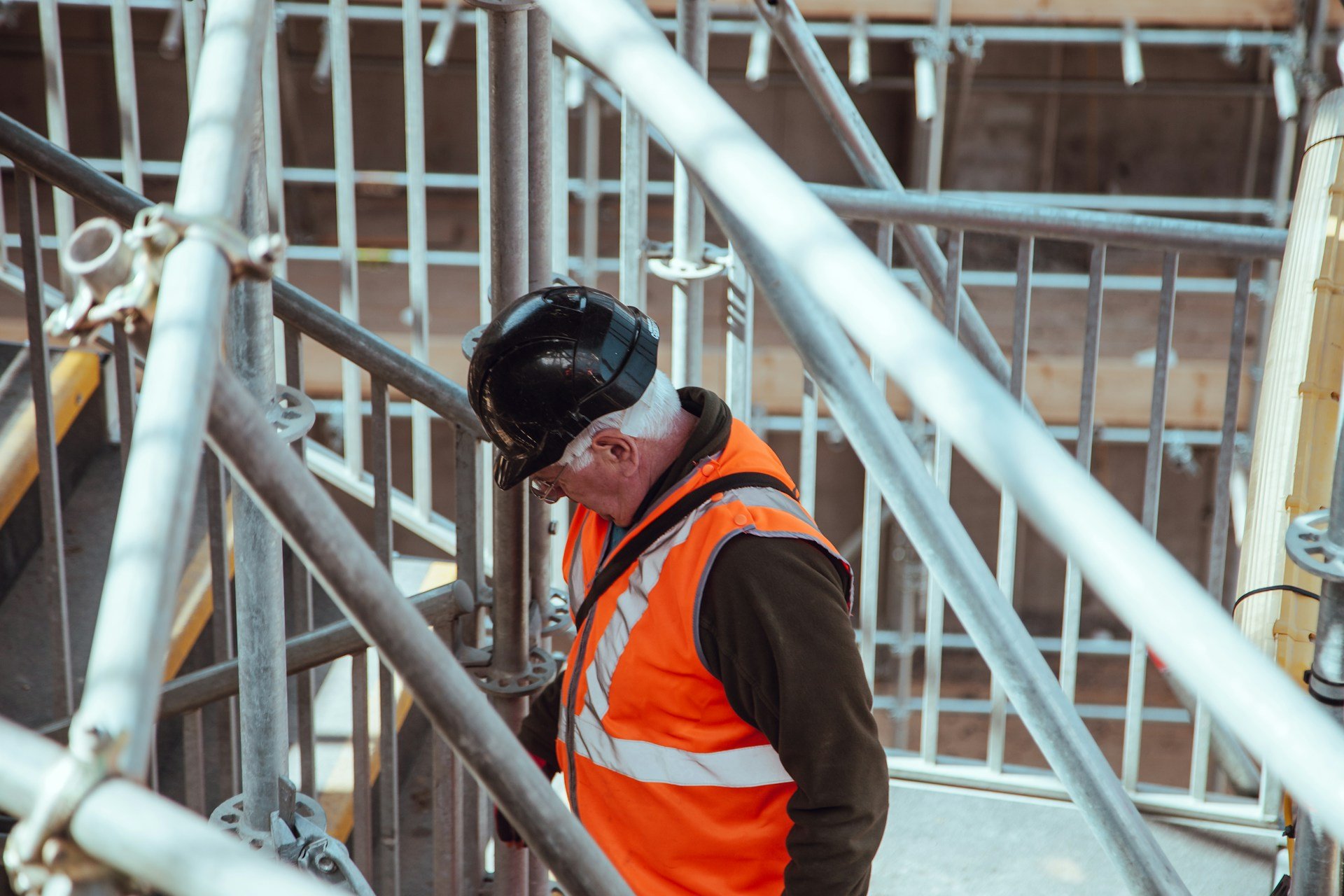
Adhesives are indispensable in the modern construction industry. From providing durable flooring to creating efficient insulation systems, adhesives streamline processes, reduce costs, and enhance the performance of structures. Among the vast array of adhesive options, Pressure-Sensitive Adhesives (PSAs) have emerged as a critical component in construction. These versatile adhesives are characterised by their ability to form bonds when pressure is applied, without the need for heat, water, or other curing methods.
What Are Pressure-Sensitive Adhesives?
Pressure-sensitive adhesives (PSAs) are a unique class of adhesives that bond to a variety of surfaces when pressure is applied. Unlike traditional adhesives that require heat, solvents, or curing agents to form a bond, PSAs maintain a tacky state that allows them to stick instantly. Their composition typically includes:
- Elastomers: Providing flexibility and resistance.
- Tackifiers: Enhancing stickiness.
- Fillers and Plasticisers: Improving durability and performance.
- Stabilisers: Ensuring longevity under environmental stresses.
PSAs are used in tapes, films, and labels, and their ease of use makes them a go-to solution in construction.
Applications of PSAs in Construction
PSAs have widespread applications in construction, contributing to various stages of building projects. Below are some key areas where PSAs are utilised:
1. Flooring Installation
PSAs are extensively used in flooring due to their ability to provide strong, durable, and flexible bonds. Applications include:
- Carpet Tiles: PSAs in adhesive-backed carpet tiles enable quick and hassle-free installation. They allow for repositioning during placement and ensure a secure hold once pressed down.
- Vinyl Flooring: PSA tapes and films offer seamless bonding for vinyl sheets and tiles, ensuring a smooth and long-lasting finish.
- Temporary Protection: During construction, PSA-backed protective films shield floors from damage, dirt, and debris. These films can be easily removed without leaving residues.
2. Insulation Systems
Proper insulation is essential for energy efficiency and thermal comfort. PSAs play a pivotal role in securing insulation materials:
- Foam Insulation: PSA tapes are used to bond foam panels to walls, ceilings, and floors. Their flexibility accommodates thermal expansion and contraction.
- Duct Insulation: PSA tapes seal joints in HVAC duct systems, preventing air leaks and enhancing energy efficiency.
- Reflective Foil Insulation: PSAs help adhere reflective insulation sheets to building frames, ensuring consistent application.
3. Sealing and Bonding
PSAs are effective in sealing and bonding a variety of materials, contributing to airtight and watertight structures:
- Window and Door Sealing: PSA tapes provide excellent adhesion for weatherstripping materials, improving energy efficiency and reducing drafts.
- Roofing Membranes: Self-adhesive membranes with PSAs simplify the installation of waterproof barriers on roofs.
- Concrete Joints: PSA tapes are used to seal joints in concrete slabs, offering flexibility and resistance to environmental stresses.
4. Wall Cladding and Panels
PSAs offer efficient solutions for mounting and securing wall cladding and panels. Their benefits include:
- Bonding Lightweight Panels: PSAs enable the quick and secure installation of lightweight decorative panels.
- Acoustic Panels: PSA-backed tapes and films ensure a firm bond for soundproofing materials, enhancing acoustic performance.
5. Temporary Fixings
PSAs are ideal for temporary fixtures during construction projects:
- Protective Barriers: PSA films are used to secure protective barriers around sensitive areas, such as glass or polished surfaces.
- Marking and Labelling: PSA-backed labels help in identifying sections or providing instructions on construction sites.
Benefits of Using PSAs in Construction
The growing popularity of PSAs in construction is attributed to their numerous advantages, including:
1. Ease of Use
PSAs are simple to apply and require minimal equipment. This ease of use translates to faster installation times, reducing labour costs and project durations.
2. Versatility
PSAs bond with a wide range of materials, including wood, metal, concrete, glass, and plastics. This versatility makes them suitable for various construction applications.
3. Flexibility
PSAs maintain flexibility even after bonding, allowing them to accommodate movement caused by thermal expansion, contraction, or structural vibrations.
4. Reduced Waste
Unlike traditional adhesives, PSAs generate minimal waste during application. They do not require mixing, curing, or additional solvents, reducing environmental impact.
5. Aesthetic Finish
PSAs provide a clean and seamless finish, eliminating the need for visible fasteners like nails or screws.
6. Removability
In applications where temporary bonding is needed, PSAs can be removed without damaging the underlying surfaces.
Sustainability and PSAs in Construction
Sustainability is a growing concern in the construction industry, and PSAs contribute to environmentally responsible practices:
- Energy Efficiency: PSAs are used in insulation systems that improve the thermal performance of buildings, reducing energy consumption.
- Durability: Long-lasting PSA bonds reduce the need for frequent repairs or replacements, contributing to resource conservation.
- Eco-Friendly Formulations: Many PSA products are now available in low-VOC (volatile organic compounds) formulations, minimising environmental and health hazards.
Innovations in PSA Technology for Construction
Advancements in PSA technology continue to enhance their performance and broaden their applications in construction. Some notable innovations include:
- High-Temperature Resistant PSAs: Ideal for use in environments exposed to extreme heat, such as roofing or industrial installations.
- UV-Resistant PSAs: Providing durability in outdoor applications by withstanding prolonged exposure to sunlight.
- Specialised PSAs for Heavy Loads: Designed to handle high-stress applications like bonding heavy panels or fixtures.
- Smart Adhesives: Incorporating properties like self-healing or conductivity for advanced construction needs.
Choosing the Right PSA for Construction Projects
Selecting the appropriate PSA for a construction project requires careful consideration of factors such as:
- Surface Material: Ensure compatibility between the PSA and the bonding surfaces.
- Environmental Conditions: Choose PSAs designed to withstand specific conditions, such as moisture, UV exposure, or temperature fluctuations.
- Load Requirements: Evaluate the adhesive’s strength and durability to match the intended application.
- Application Method: Consider whether the PSA will be applied manually, using tools, or in automated systems.
Conclusion
Pressure-sensitive adhesives (PSAs) are revolutionising the construction industry by offering versatile, efficient, and sustainable bonding solutions. From securing flooring and insulation to enabling airtight and watertight seals, PSAs play a vital role in modern building projects. Their ease of use, adaptability, and environmental benefits make them a preferred choice for architects, contractors, and builders alike.
As construction projects grow more complex and sustainability becomes a priority, the demand for innovative PSA solutions will continue to rise. By embracing these advanced adhesives, the construction industry can achieve new levels of efficiency, durability, and environmental responsibility.

Add comment