
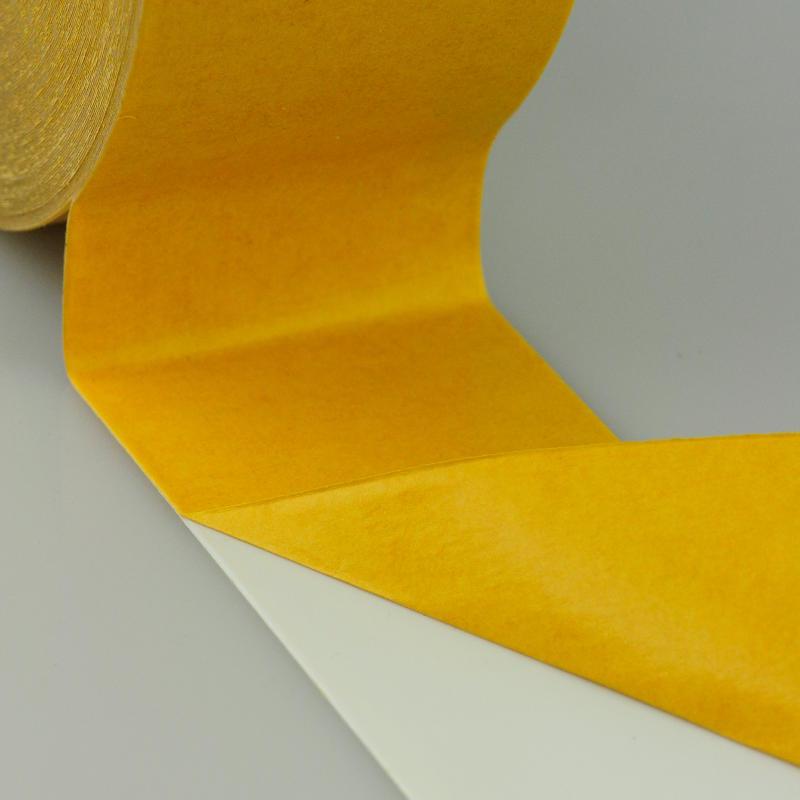
When to Choose Double-Sided Tape Over Glue
When tackling a project, whether it’s a quick DIY fix at home, a professional job in a workshop, or a large-scale industrial application, choosing the right adhesive is crucial. The decision between double-sided tape and glue often comes down to the specific needs of your task. Each has its own strengths and ideal use cases, but understanding when to opt for one over the other can save you time, money, and frustration.
This guide from PSA Solutions explores the benefits and limitations of both adhesives, helping you make an informed choice.
What is Double-Sided Tape?
Double-sided tape is a versatile adhesive product with adhesive layers on both sides of a carrier material, such as foam, film, or tissue. Its primary advantage is that it provides an instant bond without requiring drying or curing time.
Key Features of Double-Sided Tape:
- Ease of Use: Simple peel-and-stick application.
- No Mess: Leaves no drips, spills, or residue when applied correctly.
- Variety of Strengths: Available in different strengths for lightweight to heavy-duty tasks.
- Thin and Invisible: Ideal for situations where aesthetics are important.
- Instant Bond: Provides immediate adhesion without waiting for drying or curing.
What is Glue?
Glue is a liquid adhesive that bonds materials through chemical reactions or physical drying. It can range from everyday PVA glue to high-strength epoxy resins and super glues.
Key Features of Glue:
- Versatility: Suitable for a wide range of materials, from paper to metal.
- Permanent Bond: Many glues form a long-lasting and strong bond.
- Different Formulations: Specific glues are designed for specific materials and environments.
- Flexibility: Some glues remain flexible after curing, ideal for materials that expand or contract.
Key Factors to Consider When Choosing Between Double-Sided Tape and Glue
Before diving into specific use cases, let’s examine the key factors to evaluate when selecting an adhesive:
- Type of Materials
Are you bonding porous or non-porous materials? Certain glues work better with porous surfaces like wood or paper, while double-sided tape often excels with smooth, non-porous surfaces like glass, plastic, or metal. - Strength and Durability
How much weight will the bond need to support? For lightweight tasks, double-sided tape is often sufficient, but for heavy-duty applications, glue might be the better choice. - Environment
Will the bond be exposed to heat, moisture, or outdoor conditions? Some double-sided tapes are weather-resistant, while others aren’t. Similarly, not all glues are suited for extreme conditions. - Aesthetic Requirements
If you need an invisible bond, double-sided tape is usually the better option, as it’s discreet and doesn’t leave marks or mess. - Application Speed
Glue often requires time to cure or dry, whereas double-sided tape provides an instant bond.
When to Choose Double-Sided Tape
Double-sided tape shines in situations where convenience, aesthetics, and precision are priorities. Here are some scenarios where it’s the superior choice:
1. Quick and Clean Applications
Double-sided tape is perfect for projects where speed and cleanliness are essential. For example:
- Mounting posters or photographs without damaging walls.
- Attaching lightweight items like decorations or labels.
2. Aesthetic or Invisible Bonding
If the appearance of the finished product matters, double-sided tape is ideal because it’s hidden between the surfaces. It’s commonly used for:
- Craft projects where glue may seep out or leave visible marks.
- Fixing carpets or rugs in place without using nails or tacks.
3. Temporary Bonds
Double-sided tape works well for temporary fixes, as it can often be removed cleanly without leaving residue. This makes it useful for:
- Temporary signage or displays.
- Holding parts in place during assembly.
4. Bonding Delicate Materials
Certain materials, like fabric, paper, or foam, can be damaged by liquid adhesives. Double-sided tape provides a gentle yet effective solution for:
- Scrapbooking or paper crafts.
- Hemming fabric without sewing.
5. Industrial and Commercial Use
High-strength, industrial-grade double-sided tapes are used for more demanding applications, such as:
- Securing automotive trim and components.
- Mounting signs and panels in construction projects.
When to Choose Glue
Glue is the go-to option for projects that require a strong, permanent bond or where double-sided tape might not provide enough holding power. Here’s when you should opt for glue:
1. Heavy-Duty Applications
For tasks requiring maximum strength, such as bonding heavy materials, glue often outperforms tape. Examples include:
- Assembling wooden furniture or repairing broken wood.
- Bonding heavy metal parts in industrial applications.
2. Porous Materials
Glue penetrates porous surfaces, creating a stronger bond. This makes it ideal for:
- Crafting with materials like wood, paper, or fabric.
- Repairing pottery or ceramics.
3. Heat or Moisture Resistance
Certain glues, like epoxy or polyurethane adhesives, are specifically designed to withstand extreme conditions, making them ideal for:
- Outdoor furniture repairs.
- Applications exposed to heat, such as automotive repairs.
4. Flexible or Moving Joints
Glues like silicone adhesives remain flexible after curing, making them suitable for materials that expand, contract, or move. Examples include:
- Sealing joints in bathroom tiles or sinks.
- Repairing flexible items like rubber gaskets.
5. Precision Work
Glue allows for more precise application in situations where tape might be too bulky or impractical, such as:
- Filling gaps or cracks.
- Attaching small, intricate components in model-making.
Double-Sided Tape vs Glue: A Comparison Table
| Feature | Double-Sided Tape | Glue |
|---|---|---|
| Ease of Use | Instant, peel-and-stick | Requires careful application and drying time |
| Bond Strength | Moderate to strong | Strong to very strong |
| Drying/Curing Time | None | Can range from seconds to hours |
| Aesthetic Appeal | Invisible bond | May leave visible residue |
| Suitability for Porous Materials | Limited | Excellent |
| Removal | Often removable | Permanent |
| Heat/Moisture Resistance | Limited | High (with specific glues) |
| Cost | Typically more expensive per application | Generally more economical |
Practical Tips for Using Double-Sided Tape and Glue
Using Double-Sided Tape
- Ensure surfaces are clean, dry, and free of dust or grease for maximum adhesion.
- Test a small area to confirm the tape will not damage the surface upon removal.
- Choose the right type of tape for your project, such as foam tape for uneven surfaces or high-bond tape for heavy-duty applications.
Using Glue
- Select the appropriate glue for your material. For example, use wood glue for timber and super glue for non-porous surfaces.
- Apply glue sparingly to avoid excess dripping or mess.
- Allow sufficient drying or curing time for a secure bond.
Conclusion: Which Should You Choose?
The choice between double-sided tape and glue ultimately depends on the specific requirements of your project. Double-sided tape is the perfect solution for quick, clean, and aesthetically pleasing bonds, especially for lightweight materials or temporary applications. Glue, on the other hand, excels in heavy-duty tasks, bonding porous materials, and situations demanding durability and resistance to extreme conditions.
By considering the material, environment, and purpose of your adhesive needs, you can confidently choose the right solution. For expert advice or to explore our range of high-quality adhesive products, contact PSA Solutions today!



Add comment