
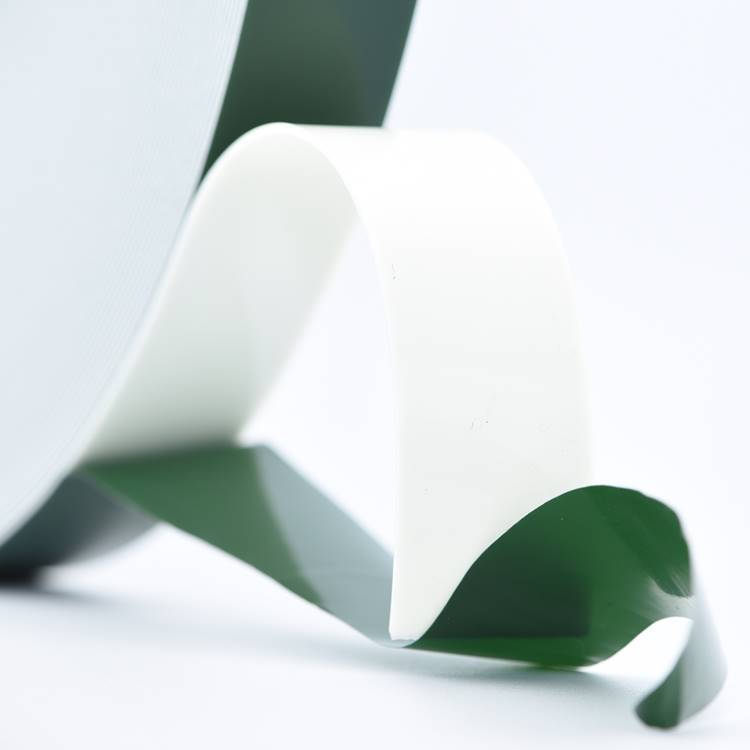
Have you ever applied a pressure-sensitive adhesive (PSA) only to find it peeling away sooner than expected? Frustrating, right? PSAs are widely used in various industries because they offer strong bonds without the need for heat or curing agents. However, when they fail to stick, it’s usually due to a few common issues. This guide will walk you through the possible reasons and provide actionable solutions to ensure your PSA applications are flawless.
Understanding PSA Basics
What Is PSA?
Pressure-sensitive adhesives (PSAs) are adhesives that bond to surfaces with just a bit of pressure. They come in various forms, including tapes, labels, and films. Their versatility makes them suitable for countless applications, from industrial uses to everyday tasks.
PSAs work by forming a bond through surface contact. The stronger the pressure applied, the better the bond—provided the conditions are right.
Common Applications of PSA
You’ll find PSAs everywhere. They’re indispensable in packaging (think of labels and carton sealing), automotive assembly (for trims and badges), medical applications (like bandages), and even in electronics for screen protection.
Reasons Why PSA Isn’t Sticking
Surface Issues
Dirt, Dust, and Contamination
A dirty surface is one of the biggest culprits when it comes to poor PSA adhesion. Even tiny particles of dust or grease can create a barrier between the adhesive and the surface.
Surface Texture and Porosity
Rough or porous surfaces can prevent PSAs from creating a uniform bond. Similarly, very smooth surfaces may lack the “grip” needed for adhesion.
Low Surface Energy (LSE) Materials
Certain plastics like polyethylene and polypropylene are known as LSE materials, which repel adhesives. If you’re working with these, standard PSAs might struggle to stick.
Environmental Factors
Temperature Extremes
PSAs are sensitive to temperature. Applying them in very cold or hot conditions can compromise their performance.
Humidity and Moisture
Moist environments can weaken the bond. Some PSAs absorb moisture, which diminishes their effectiveness.
UV Exposure
Prolonged exposure to sunlight can degrade the adhesive, especially if it isn’t UV-resistant.
Application Errors
Insufficient Pressure
Without applying enough pressure, the adhesive won’t fully activate, resulting in a weak bond.
Inadequate Cure Time
Some PSAs require time to achieve maximum strength. Rushing the process can lead to failure.
Misaligned Placement
Once placed, repositioning a PSA can weaken its grip, especially if the surface becomes contaminated in the process.
Product Selection
Using the Wrong PSA
Not all PSAs are created equal. Using the wrong type for your specific application can result in poor performance.
Expired or Damaged Products
Adhesives lose their effectiveness over time. Using an expired product can lead to immediate failure.
How to Fix PSA Adhesion Problems
Preparing the Surface
Cleaning and Decontamination
Start by thoroughly cleaning the surface with isopropyl alcohol or a suitable cleaning agent. This removes dirt, oils, and other contaminants.
Surface Priming or Treatment
For LSE materials, use a primer or surface treatment to improve adhesion. Plasma treatments or corona discharge processes can also work wonders.
Optimising Environmental Conditions
Controlling Temperature
Always apply PSAs within the recommended temperature range, typically between 15°C and 30°C.
Managing Humidity
Keep the application area dry. If working in a humid environment, ensure the surface is moisture-free before applying the adhesive.
Ensuring Proper Application
Applying Correct Pressure
Use a roller or other tool to evenly apply pressure. This ensures maximum contact between the adhesive and the surface.
Allowing Adequate Time
Follow the manufacturer’s instructions regarding bonding time. Some PSAs need hours—or even days—to reach full strength.
Choosing the Right PSA
Selecting Based on Material and Conditions
Match the adhesive to the surface material and environmental conditions. For LSE materials, use a PSA specifically designed for such surfaces.
Checking Product Expiry
Always check the product’s expiration date. Store adhesives in a cool, dry place to maintain their quality.
Preventative Measures for PSA Success
Best Practices for Long-Lasting Bonds
- Regularly inspect surfaces for contamination.
- Follow the adhesive manufacturer’s guidelines.
- Test PSA performance on a small area before full application.
Conclusion
A successful PSA bond comes down to proper preparation, the right product, and careful application. By addressing surface issues, environmental factors, and application techniques, you can ensure a strong, long-lasting bond every time. Troubleshooting PSA adhesion might seem daunting, but with these tips, you’ll stick the landing—pun intended!
FAQs
1. What is PSA, and how does it work?
PSA, or pressure-sensitive adhesive, bonds to surfaces when pressure is applied. It doesn’t require heat or water to activate.
2. Can PSA stick to all surfaces?
Not all surfaces are PSA-friendly. Low surface energy materials and contaminated surfaces can hinder adhesion.
3. How do I clean a surface before applying PSA?
Use isopropyl alcohol or a dedicated cleaning agent to remove dirt, grease, and dust.
4. What happens if I use an expired adhesive?
Expired adhesives lose their bonding properties, leading to weak or failed adhesion.
5. How can I test if my PSA bond is strong?
Apply pressure and wait for the recommended bonding time. Test by gently tugging to ensure the adhesive holds firm.


Add comment